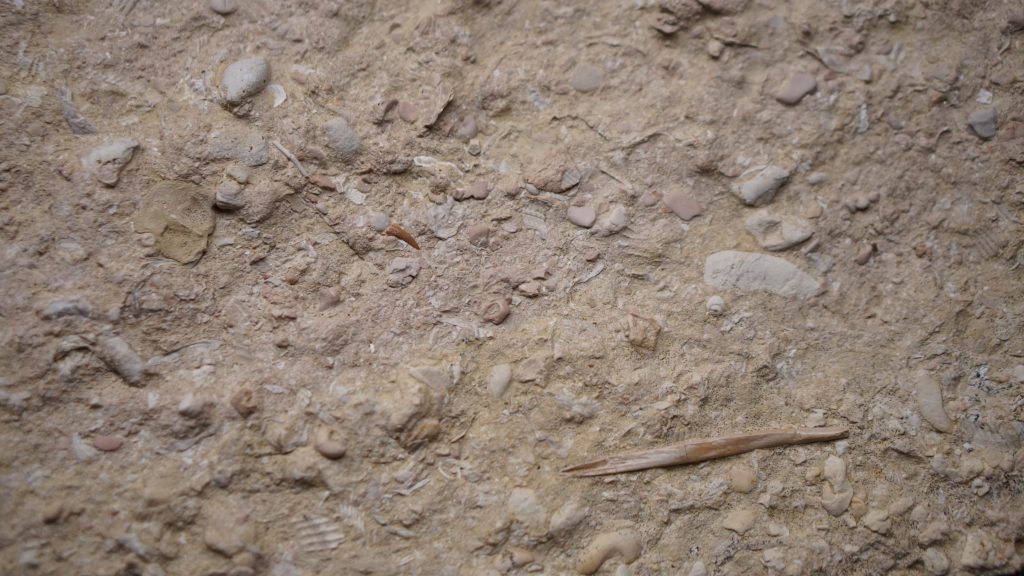

Sauropterygia
-
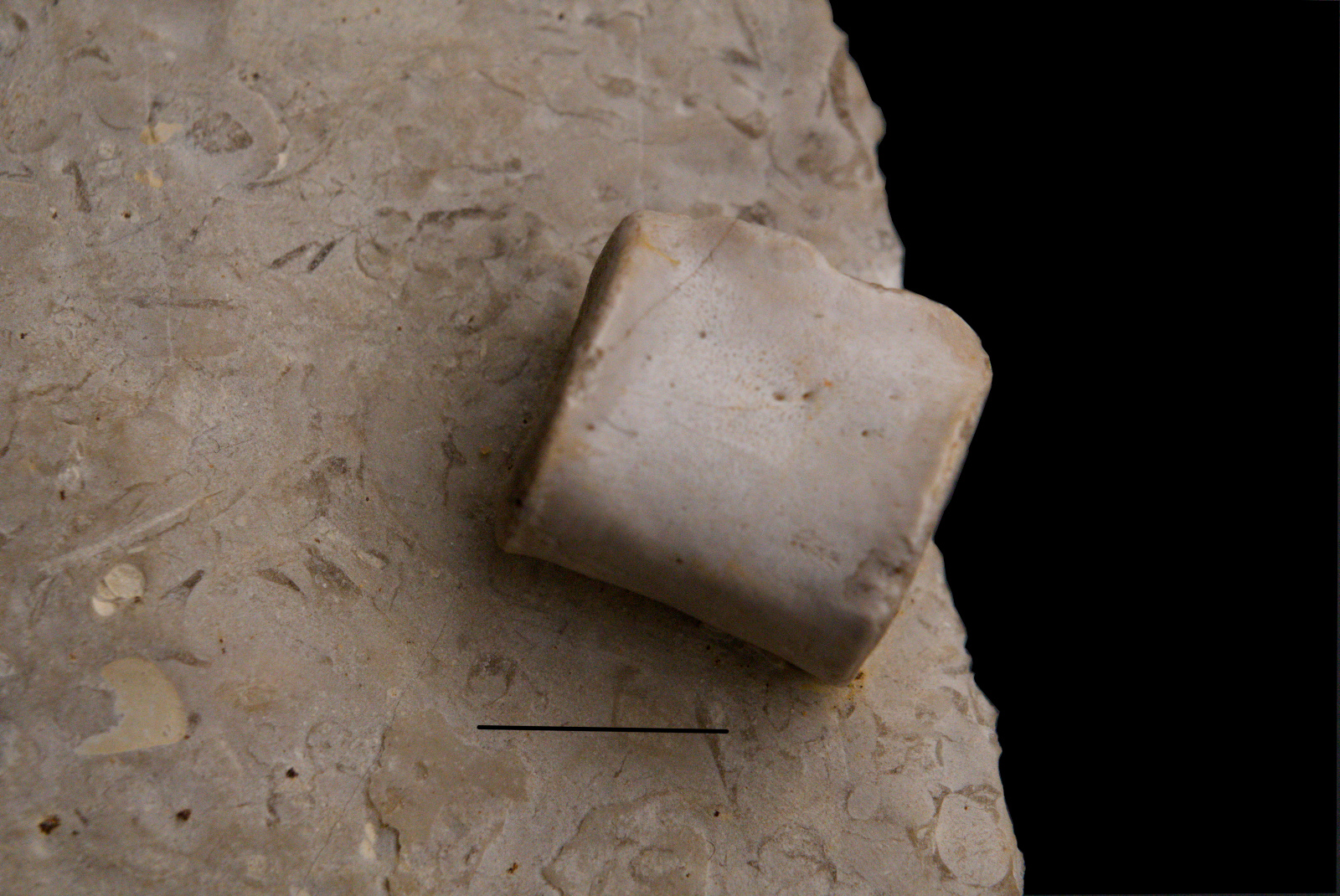
Sauropterygia cf. Nothosaurus, dorsal? vertebra centrum, 14/LMK
Sauropterygia cf. Nothosaurus Middle Triassic, Lower Gogolin Beds, Upper Silesia, Poland An example of a Sauropterygian vertebra centrum (likely Nothosaurus sp.). This is a well-preserved, large specimen (for this region). The first photo shows the vertebra in lateral view. A nutrient foramen (vascular opening) through which blood vessels entered the bone is visible upon closer…
-
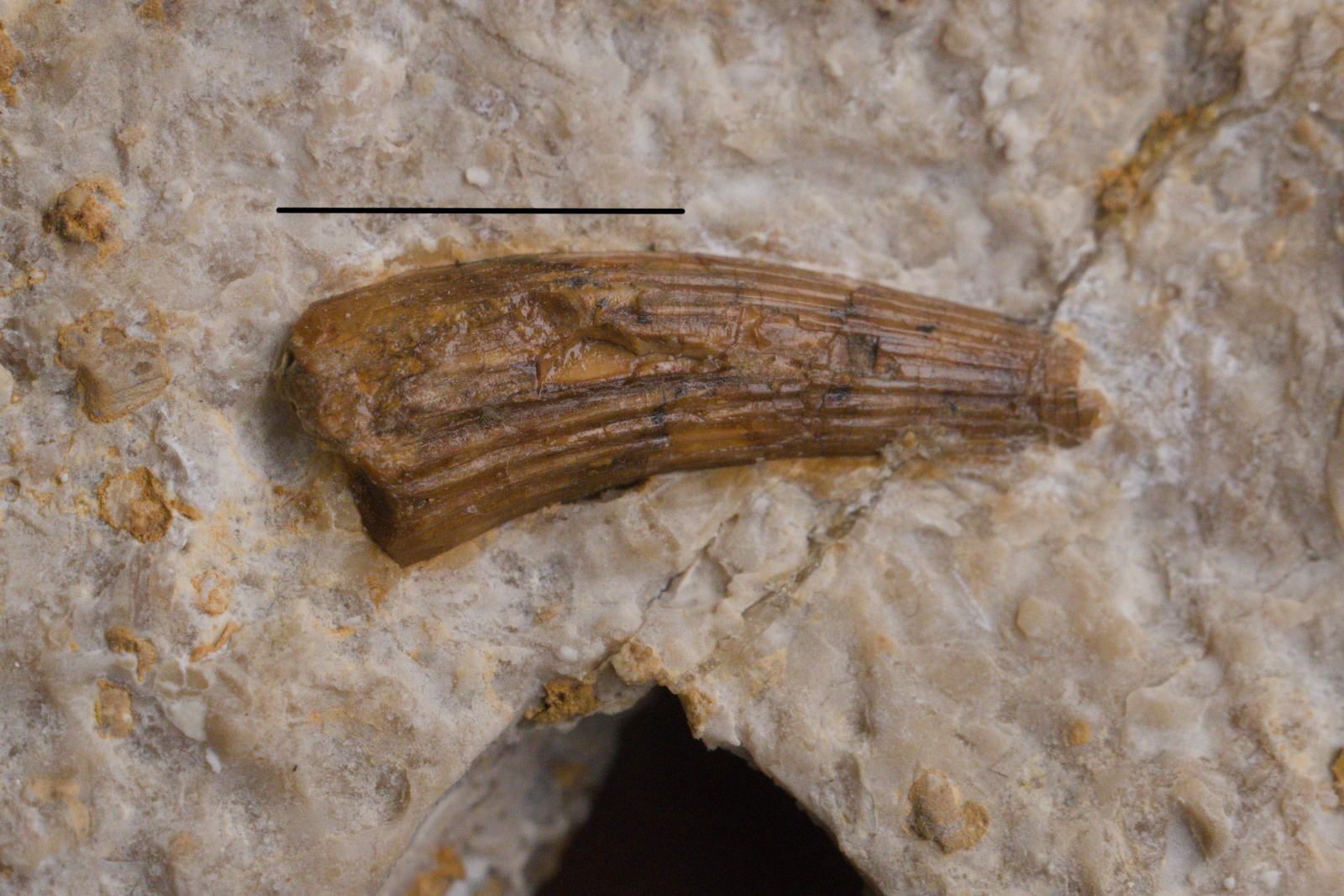
Sauropterygia cf. Nothosaurus, tooth, 5/UMK
—
Sauropterygia cf. Nothosaurus Middle Triassic, Upper Muschelkalk (Ladinian), Upper Silesia, Poland The largest Sauropterygian tooth in my collection. Unfortunately, the specimen’s preservation leaves something to be desired, especially since the apex of the tooth is missing. In any case, a tooth of this size must have belonged to a large individual. Obtaining it required considerable…
-
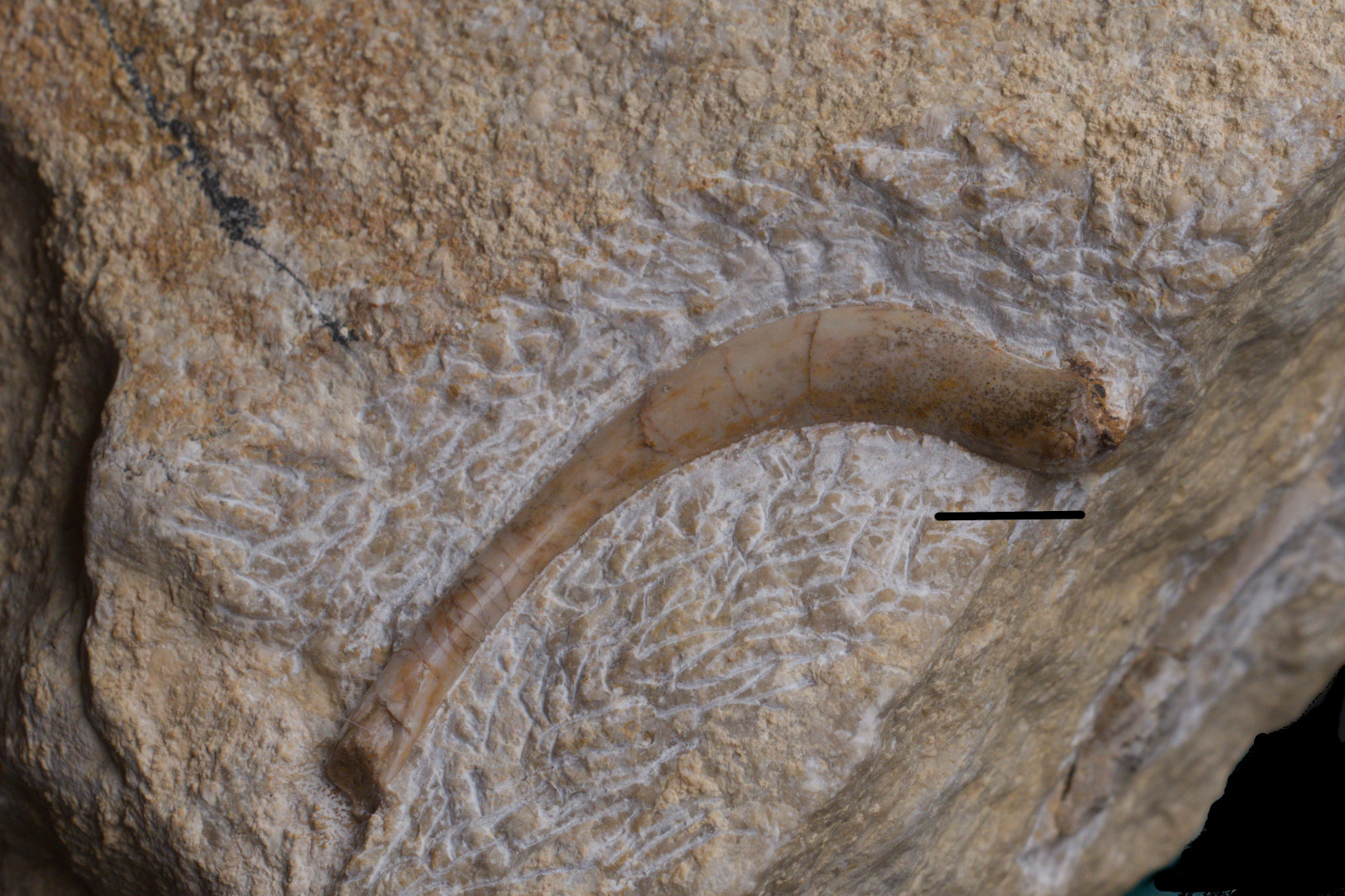
Sauropterygia cf. Nothosaurus, dorsal rib, 12/LMK
—
Sauropterygia cf. Nothosaurus, rib Middle Triassic, Lower Muschelkalk (Anisian), Gogolin Beds, Upper Silesia, Poland A dorsal rib proximal fragment from a marine reptile from the Sauropterygian group. It very likely belongs to cf. Nothosaurus. This is the most abundant taxa in the Silesian Muschelkalk deposits. Its size suggests an animal rather larger than Pachypleurosaurus. On…
-
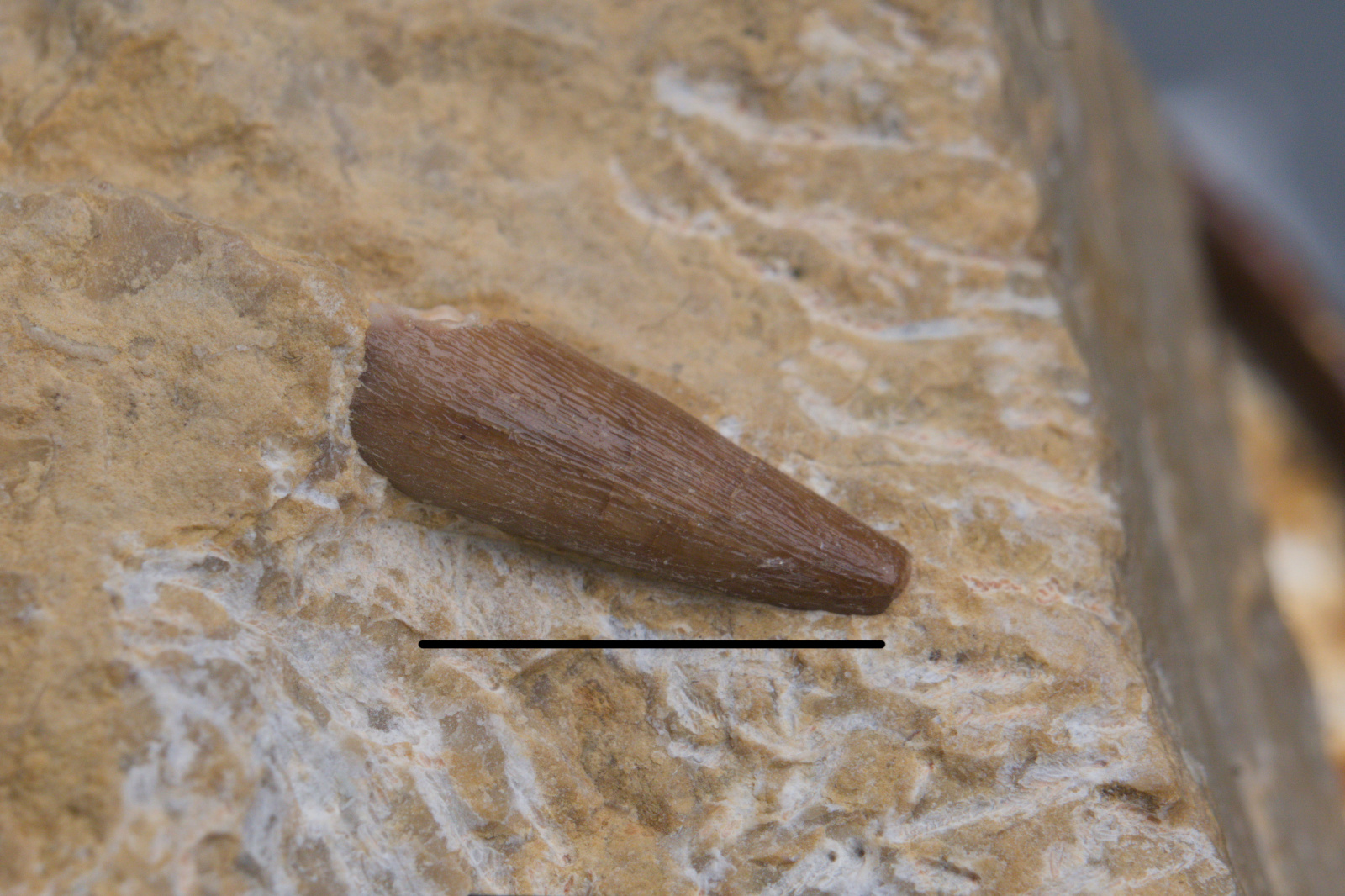
Pistosaurus longaevus, tooth, 2/UMK
—
Pistosaurus longaevus Middle Triassic, Upper Muschelkalk (Ladinian), Upper Silesia, Poland Pistosaurus were an intermediate form (though not considered a direct ancestor) between Nothosaurus and Plesiosaurus. They were the first known reptiles to move by underwater flight. While nothosaurids moved primarily by twisting their trunks (like modern crocodiles), the movement of pistosaurids resembled the swimming of…
-
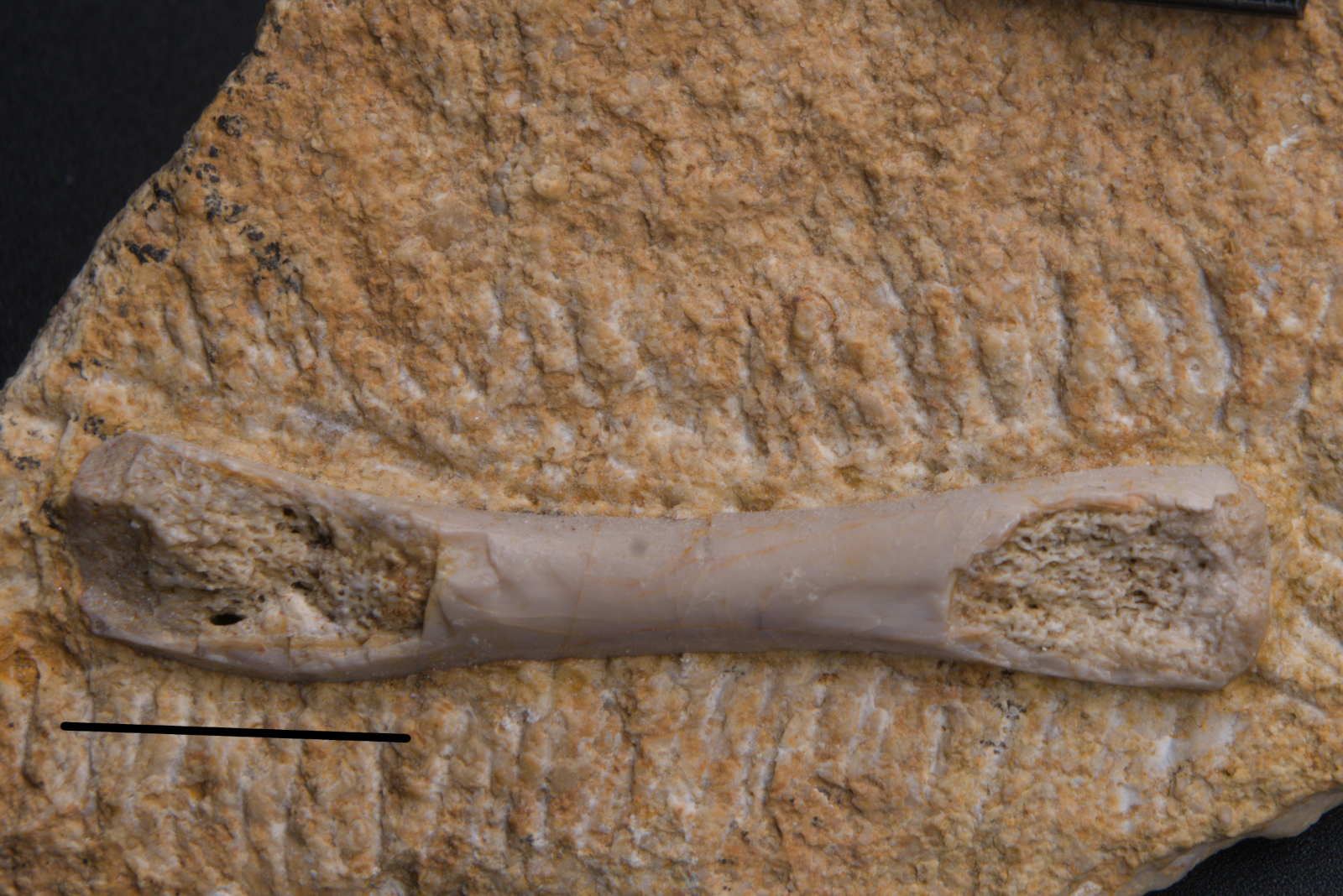
Sauropterygia indet., femur 8/LMK
—
Sauropterygia indet. Middle Triassic, Lower Muschelkalk (Anisian), Gogolin Beds, Upper Silesia, Poland An isolated femur of Sauropterygia indet. The damaged (eroded) epiphysis reveals a spongy bone structure in this area (the shaft, in turn, is unusually dense). Those are characteristic features of Sauropterygia long bones. The specimen lacks features that would allow for a more…
-
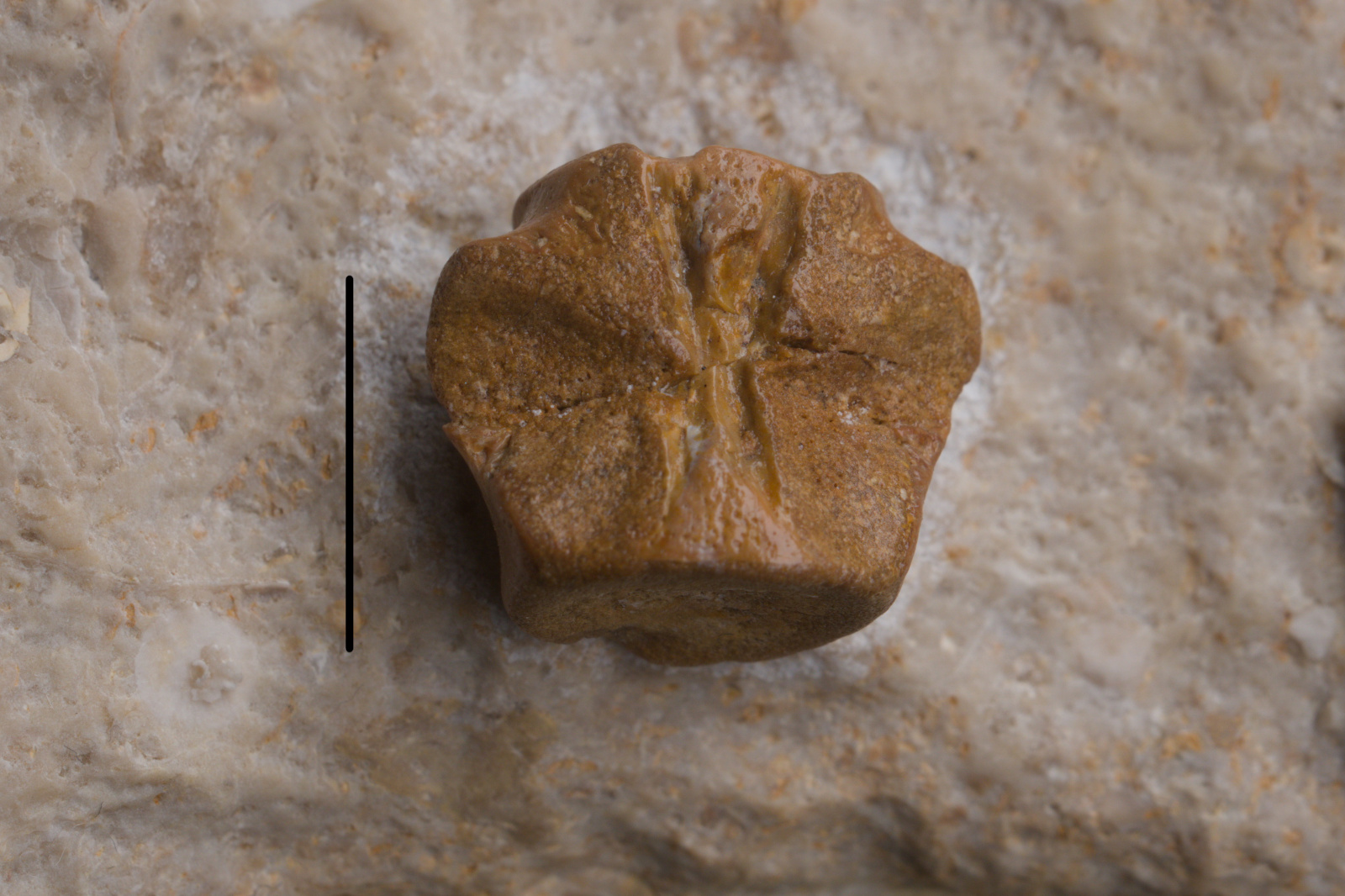
Sauropterygia indet. cf. Nothosaurus vertebra centrum 7/LMK
Sauropterygia indet. cf. Nothosaurus vertebra centrum Middle Triassic (Anisian), Lower Muschelkalk, Gogolin Beds, Upper Silesia, Poland I must admit, this is one of the best prep of a Sauropterygian vertebra centrum I’ve ever made. Finally, the center “popped” out of the matrix without damage. I glued it in place with Palaroid B72. This allows it…
-
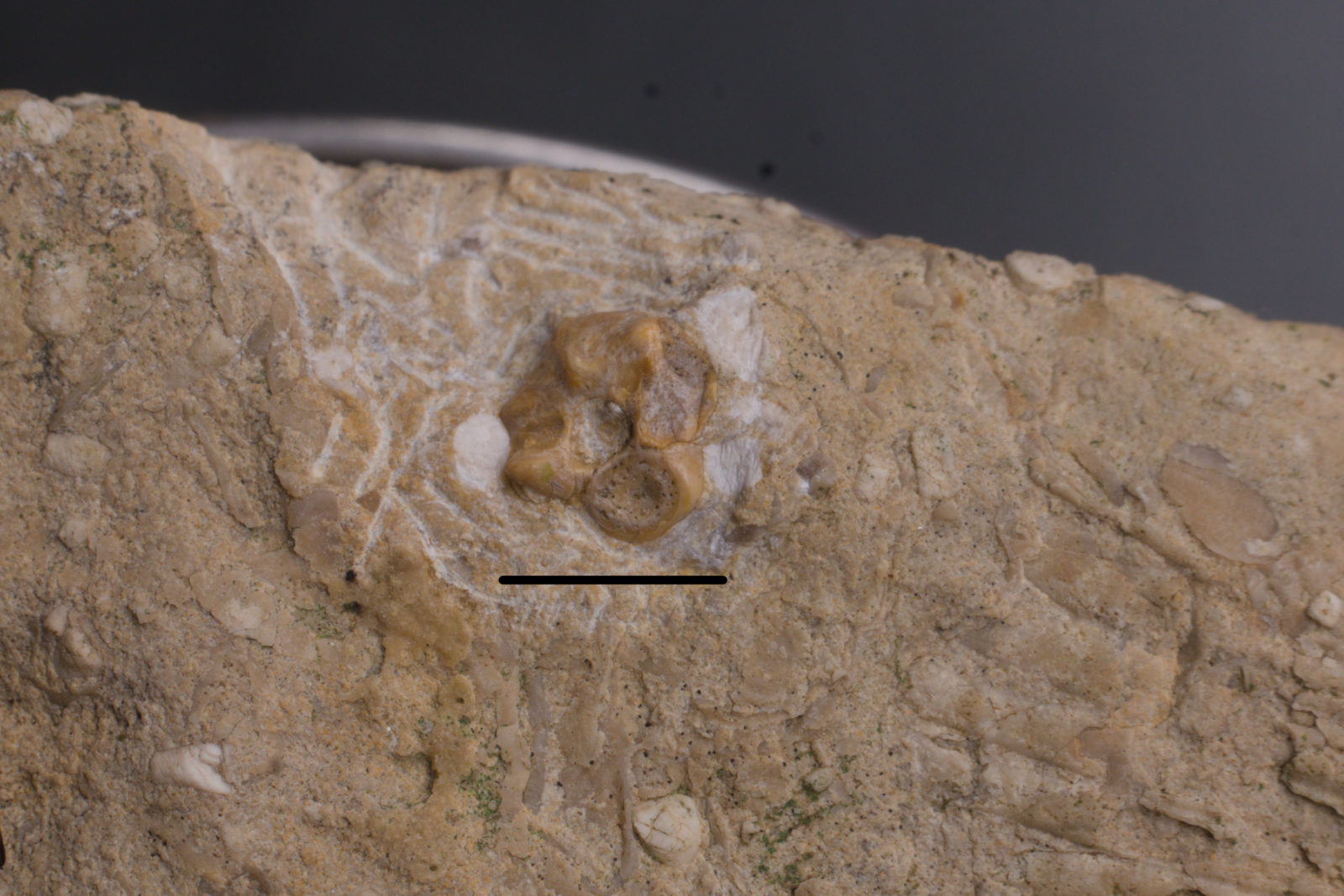
Pachypleurosauridae indet. vertebra 5/LMK
Pachypleurosauridae indet. Middle Triassic, Lower Muschelkalk (Anisian), Gogolin Beds, Upper Silesia, Poland The vast majority of fossil vertebrate specimens in the Silesian Muschelkalk are single, isolated bones. As for the vertebrae themselves, I most often encounter vertebral centra, sometimes neural arches. Complete vertebrae, however, are truly rare – almost always separated into two parts. The…
-
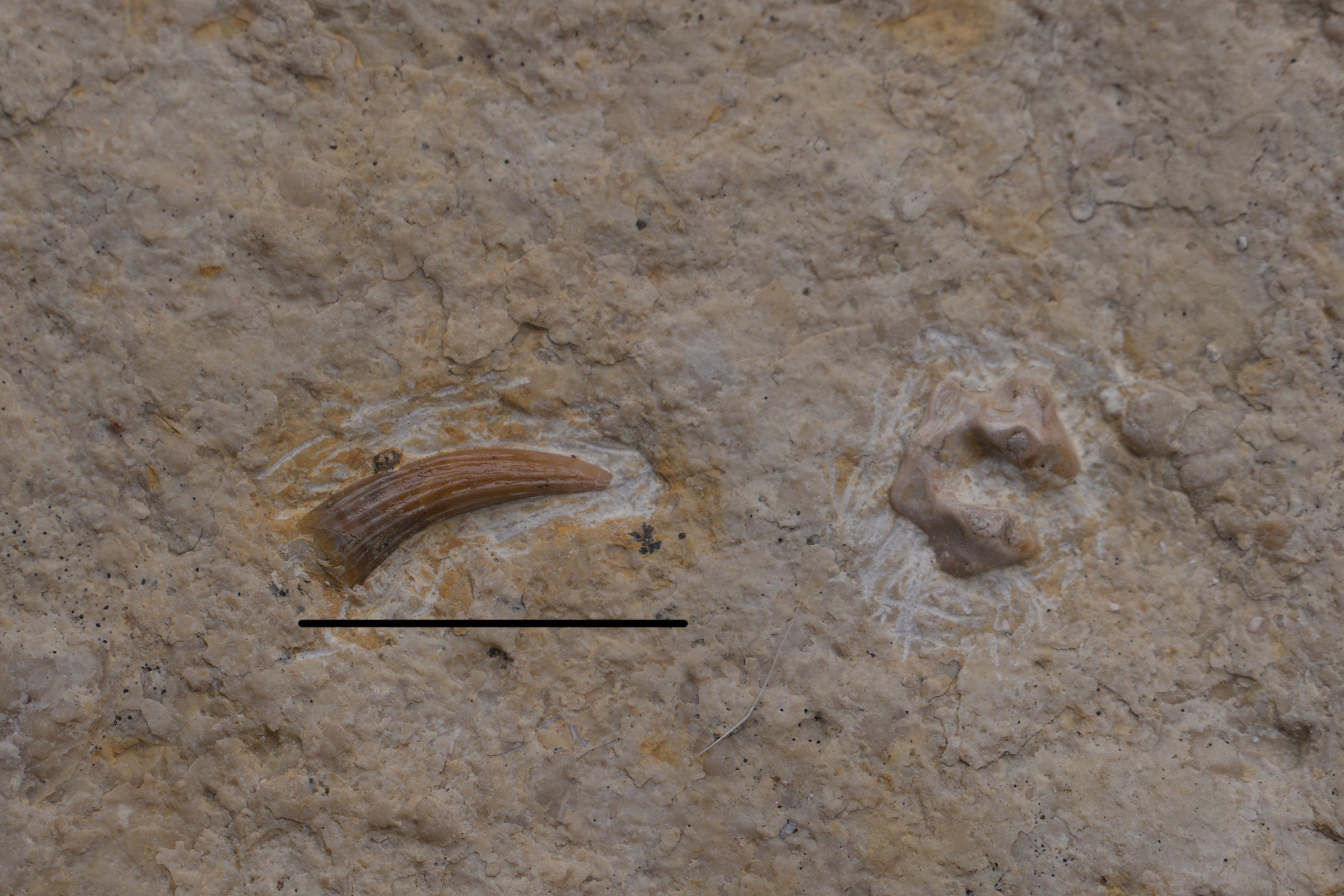
Pachypleurosauridae indet. disarticulated elements 4/LMK
Sauropterygia ?Pachypleurosauridae indet. Disarticulated elements (tooth, neural arch, vertebral centrum) Middle Triassic, Lower Muschelkalk (Anisian), Gogolin Beds, Upper Silesia, Poland Here, you can see three specimens in one. The rock fragment contains disarticulated parts of the skeleton of a small Sauropterygian – a tooth, a vertebra centrum, and a neural arch. Given their age and…
-
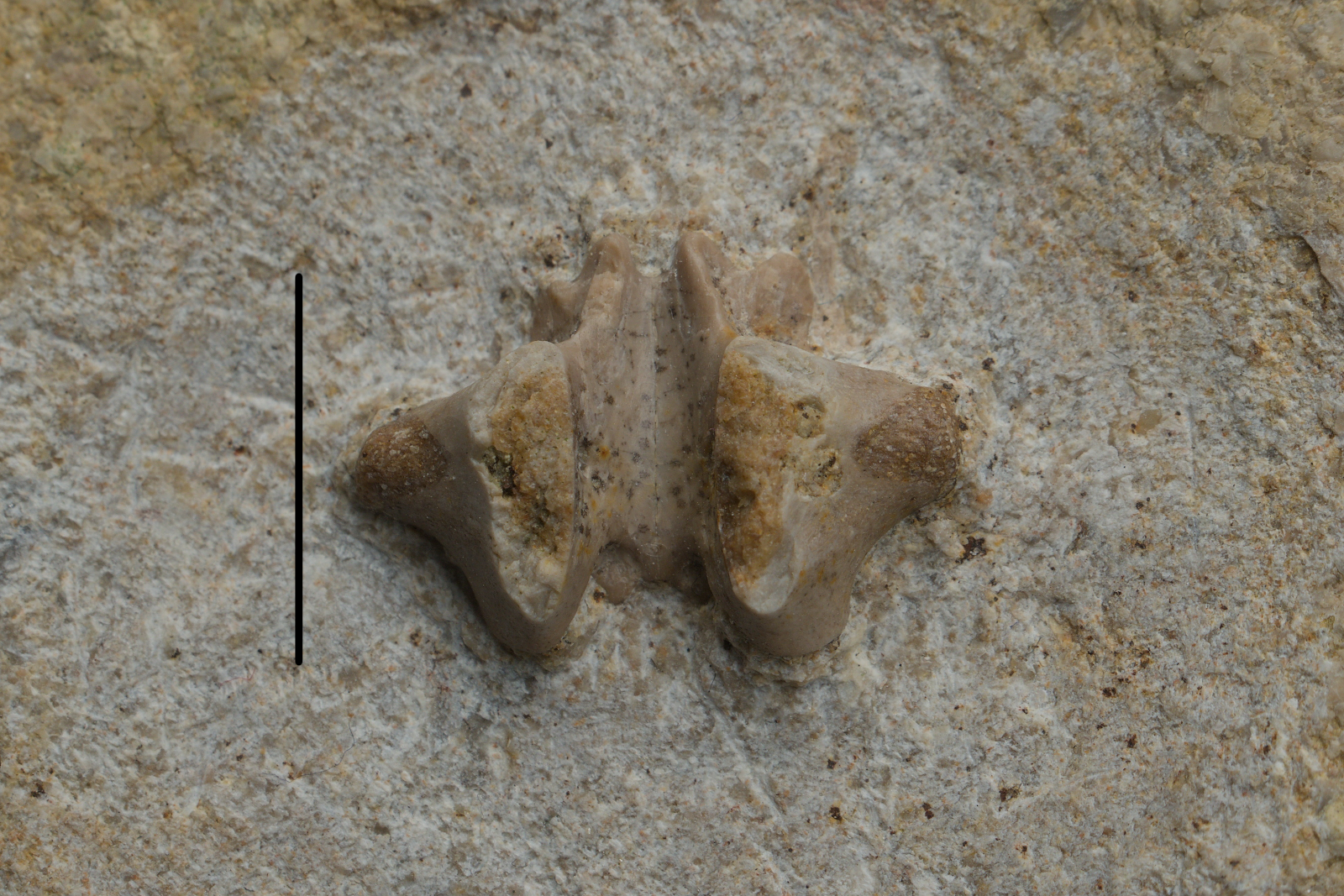
Sauropterygia indet. vertebral neural arch 3/LMK
Sauropterygia indet. cf Nothosaurus sp. Middle Triassic, Lower Muschelkalk (Anisian), Lower Gogolin Beds, Upper Silesia, Poland This is an example of a vertebral neural arch (a part of a vertebra). A fairly common find in the Gogolin Beds. Complete vertebrae are truly rare. In this case, the arch “lies on its back,” exposing the canal…
-
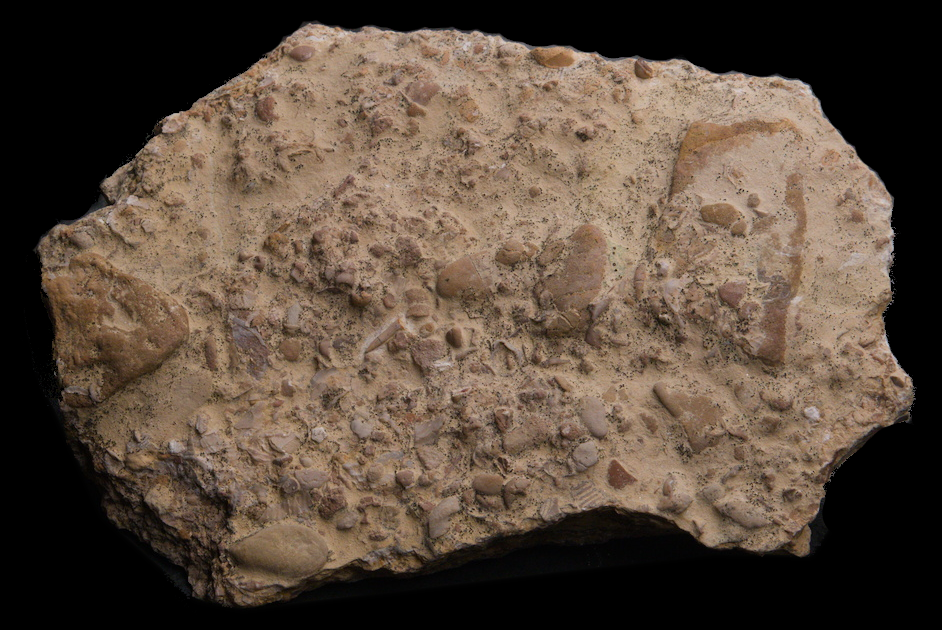
Sauropterygia assoc. Acrodus teeth 2/LMK
Sauropterygia indet. assoc. Acrodus sp. Middle Triassic, Lower Muschelkalk (Anisian), Gogolin Beds, Upper Silesia, Poland This is the type of fossil I like best. The plate you see is a snapshot, a frozen image of a section of the seabed from 240 million years ago. Between fragments of crushed, older sediment, pebbles, and crushed fragments…