
Tag: Acrodus
-

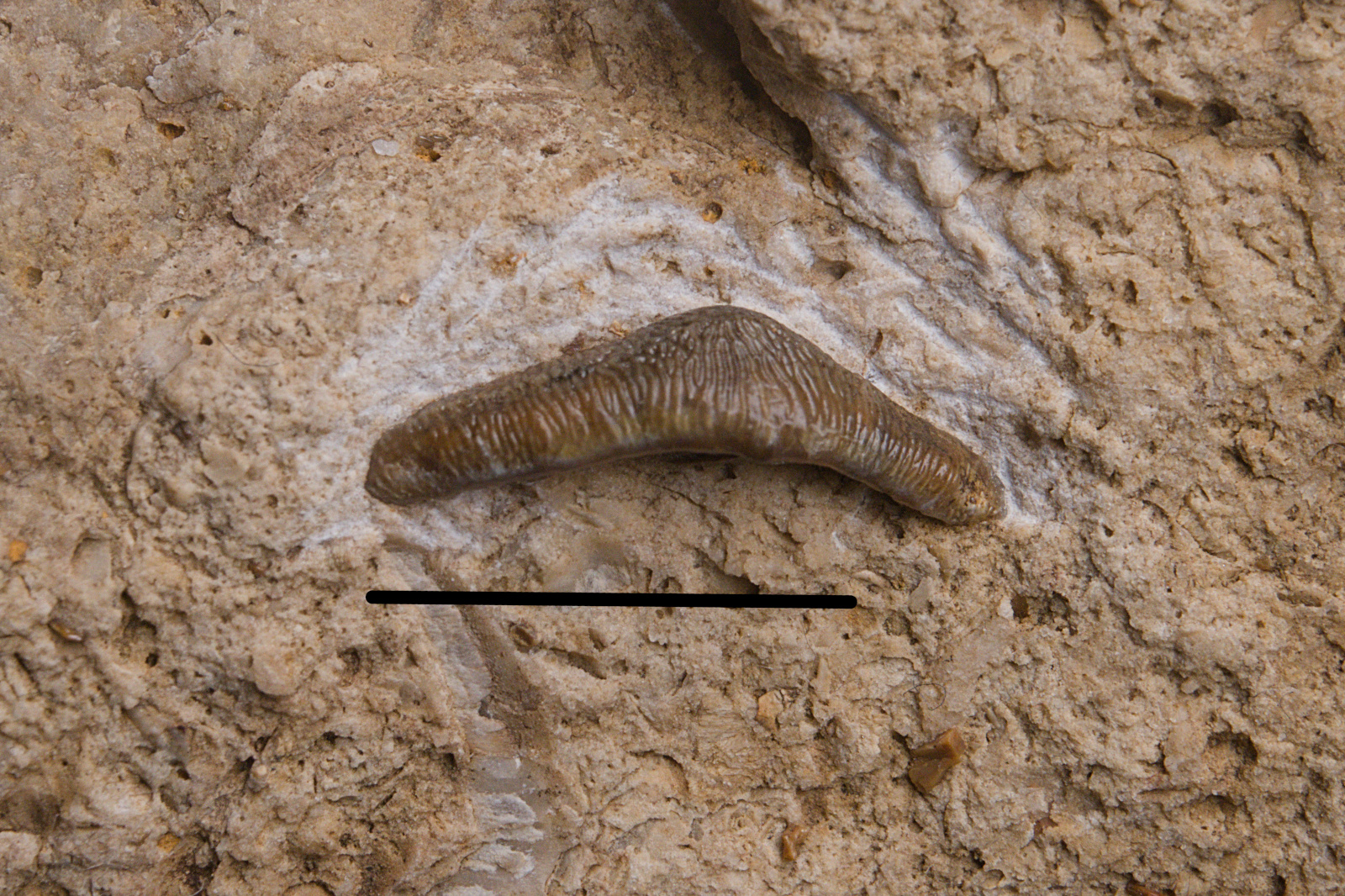
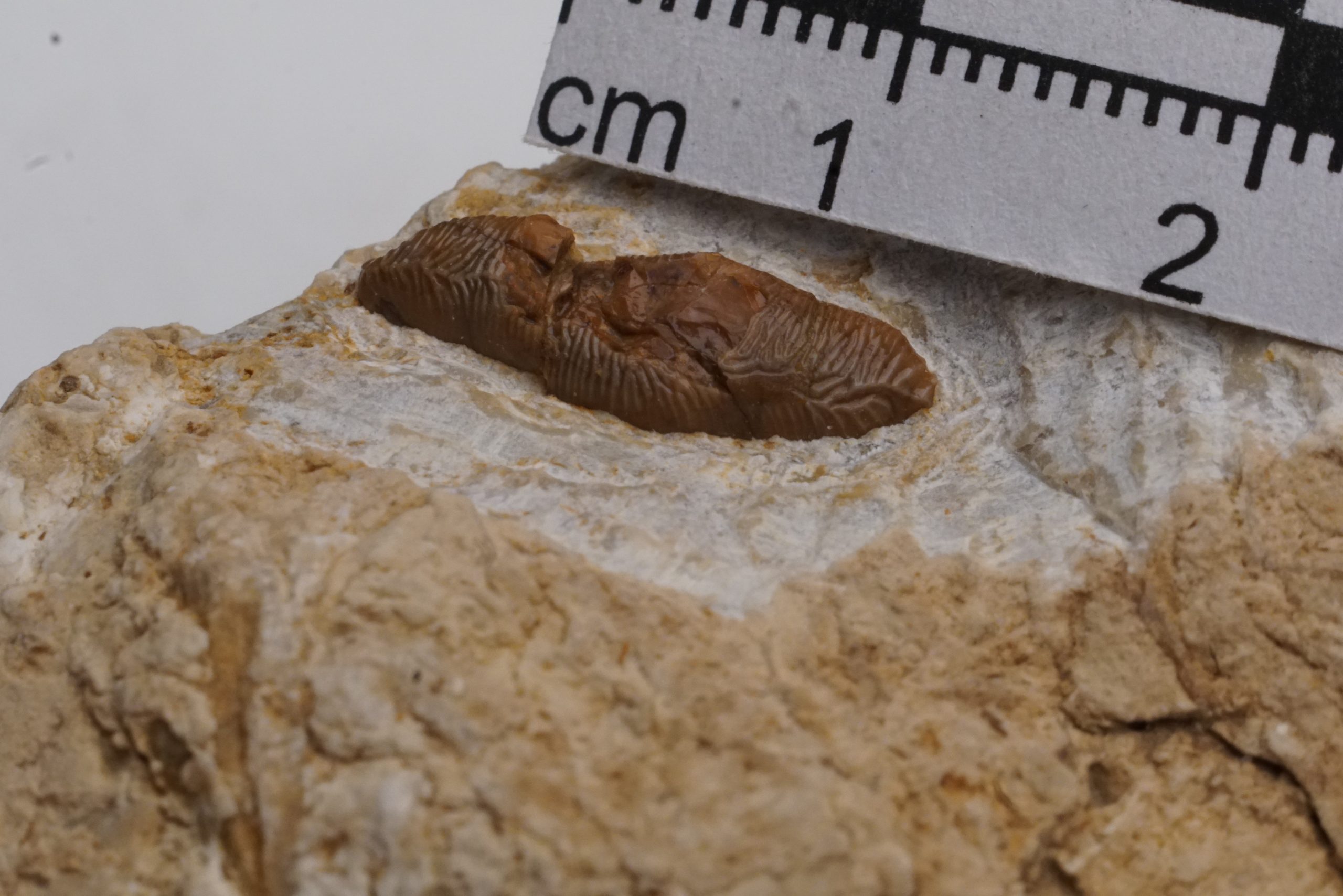
Acrodus sp, tooth, 7/UMK
A beautifully preserved tooth crown from Acrodus sp.. The root is missing, suggesting it was much less durable than the crown itself. In fact, these occasionally broken (though still recognizable) crowns are often the only identifiable elements in the “fishy mess” of vertebrate remains I encounter.
-
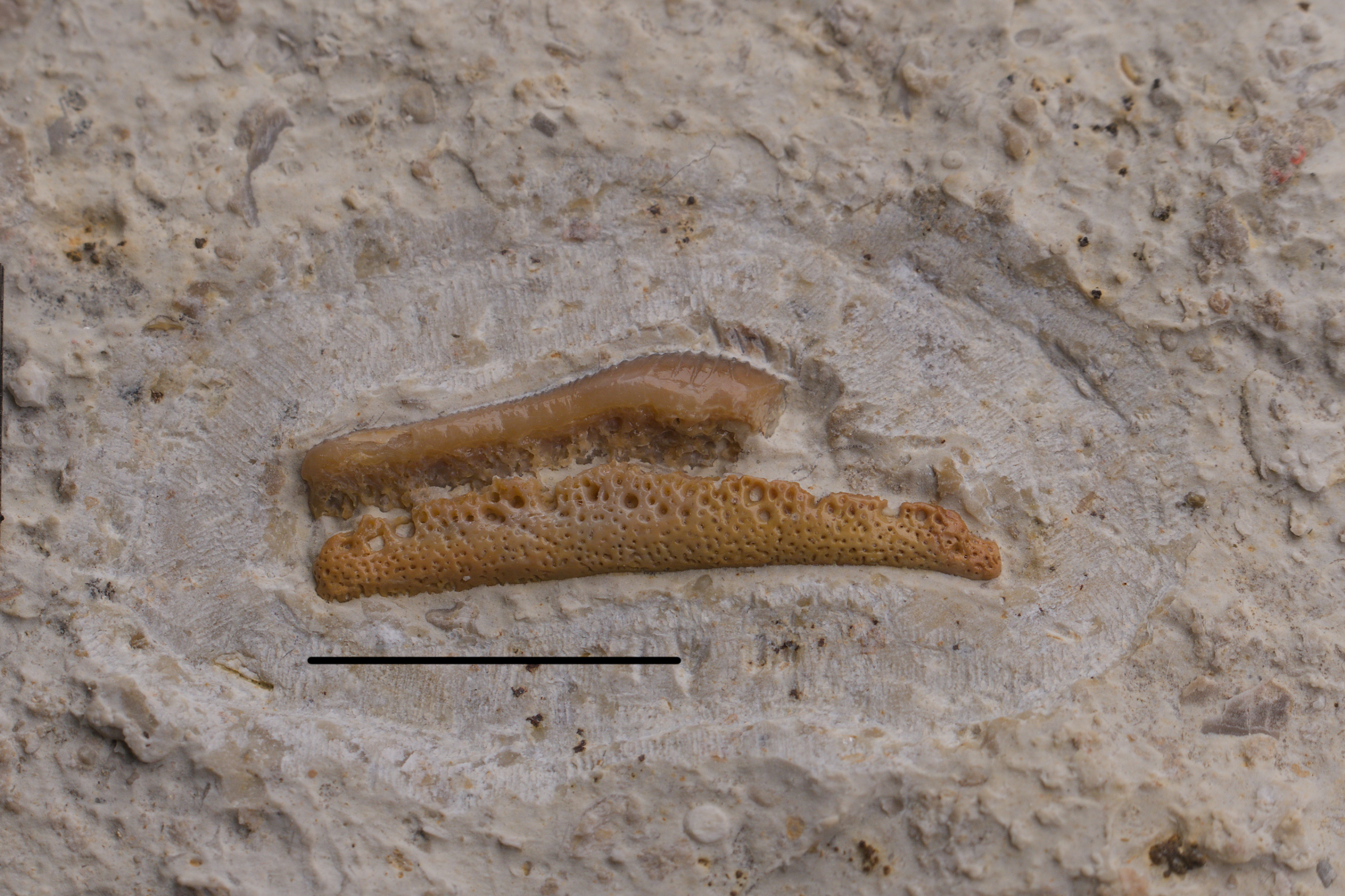
Acrodus sp. lateral tooth, 11/LMK
Acrodus sp. Middle Triassic, Lower Gogolin Beds, Upper Silesia, Poland A beautiful specimen of a shark tooth from the genus Acrodus, with its crown and root preserved. The dentition of these durophagous sharks was heterodont—meaning the teeth varied in shape depending on their position in the jaw. This specimen is an example of a lateral…
-
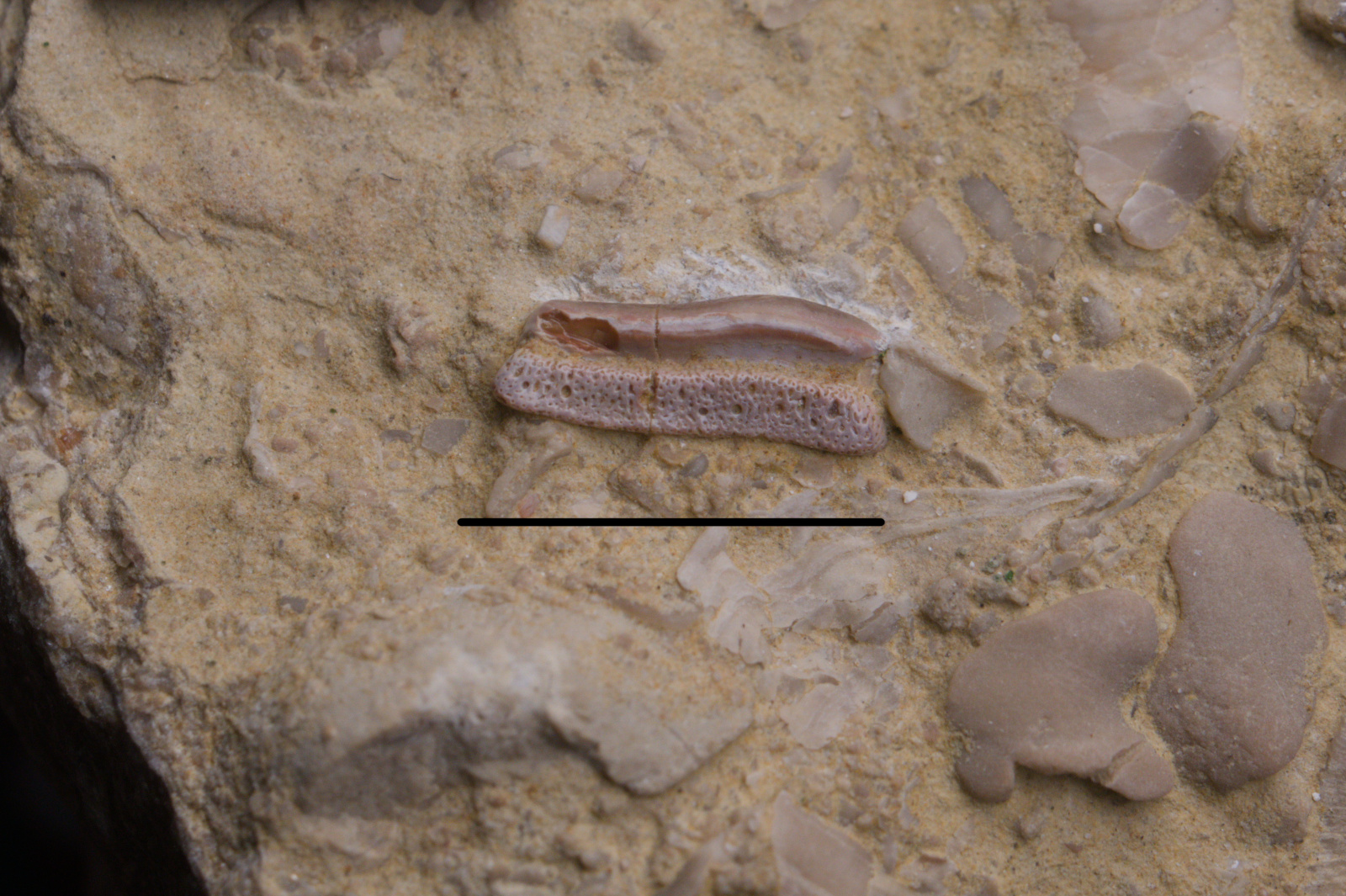
Acrodus sp. tooth 6/LMK
Acrodus sp. Middle Triassic, Lower Muschelkalk (Anisian), Lower Gogolin Beds, Upper Silesia, Poland The photo shows a complete tooth (crown with root) from a Triassic shark of the genus Acrodus. At first glance, the specimen shows signs of damage. But in my opinion, that’s what’s most interesting about it! These aren’t traces of modern erosion.…
-
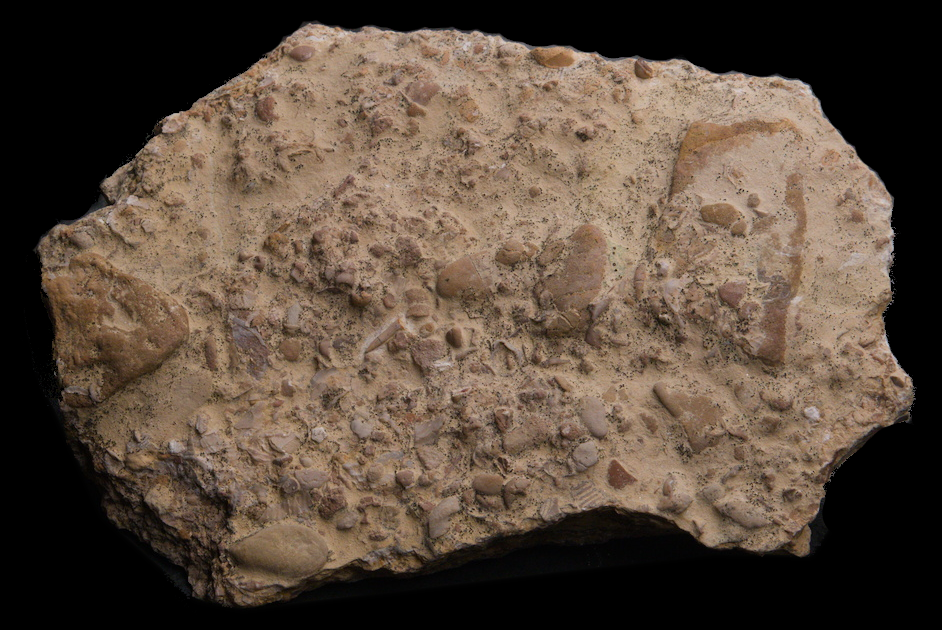
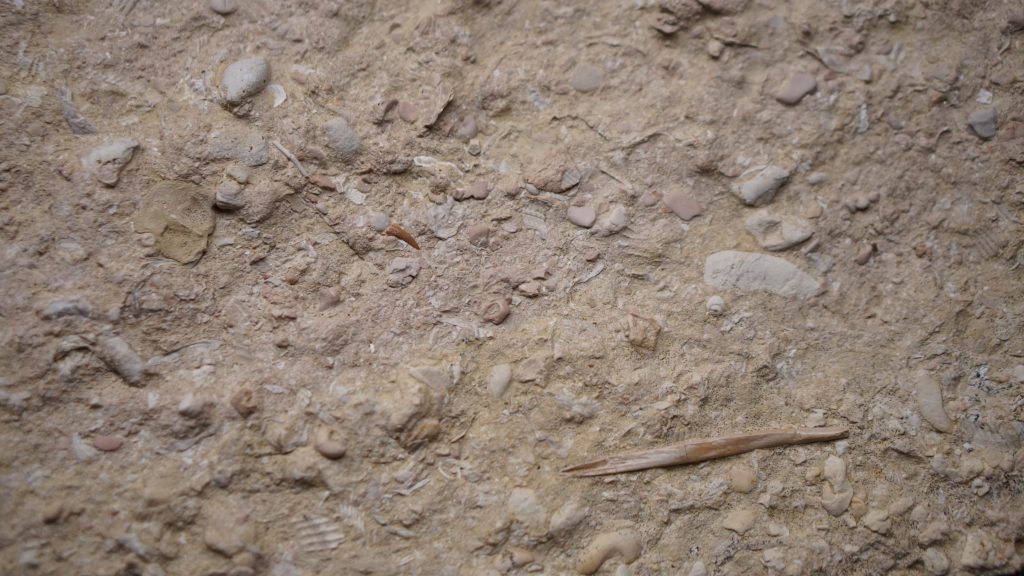
Sauropterygia assoc. Acrodus teeth 2/LMK
Sauropterygia indet. assoc. Acrodus sp. Middle Triassic, Lower Muschelkalk (Anisian), Gogolin Beds, Upper Silesia, Poland This is the type of fossil I like best. The plate you see is a snapshot, a frozen image of a section of the seabed from 240 million years ago. Between fragments of crushed, older sediment, pebbles, and crushed fragments…
-
Acrodus gaillardoti tooth 1/UMK
Acrodus gaillardoti? Middle Triassic, Upper Muschelkalk (ladinian), Upper Silesia, Poland Acrodus teeth are quite common in the Upper Muschelkalk sediments of Silesia, much more common than remains of other cartilaginous fishes (at least that’s my impression). Acrodus was a durophagous shark – it fed on armored prey. For this reason, its teeth do not resemble…