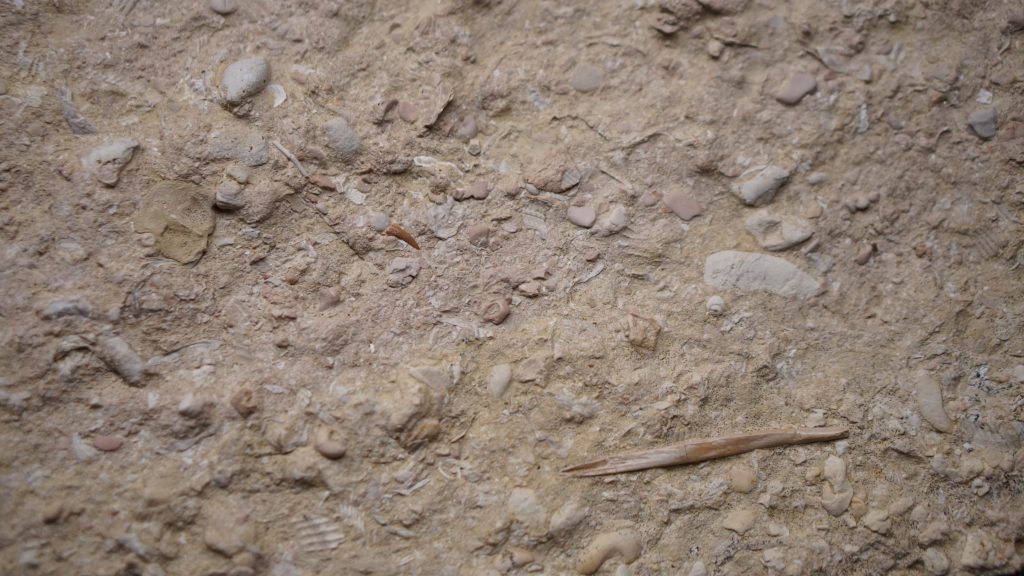

Tag: Gogolin Formation
-
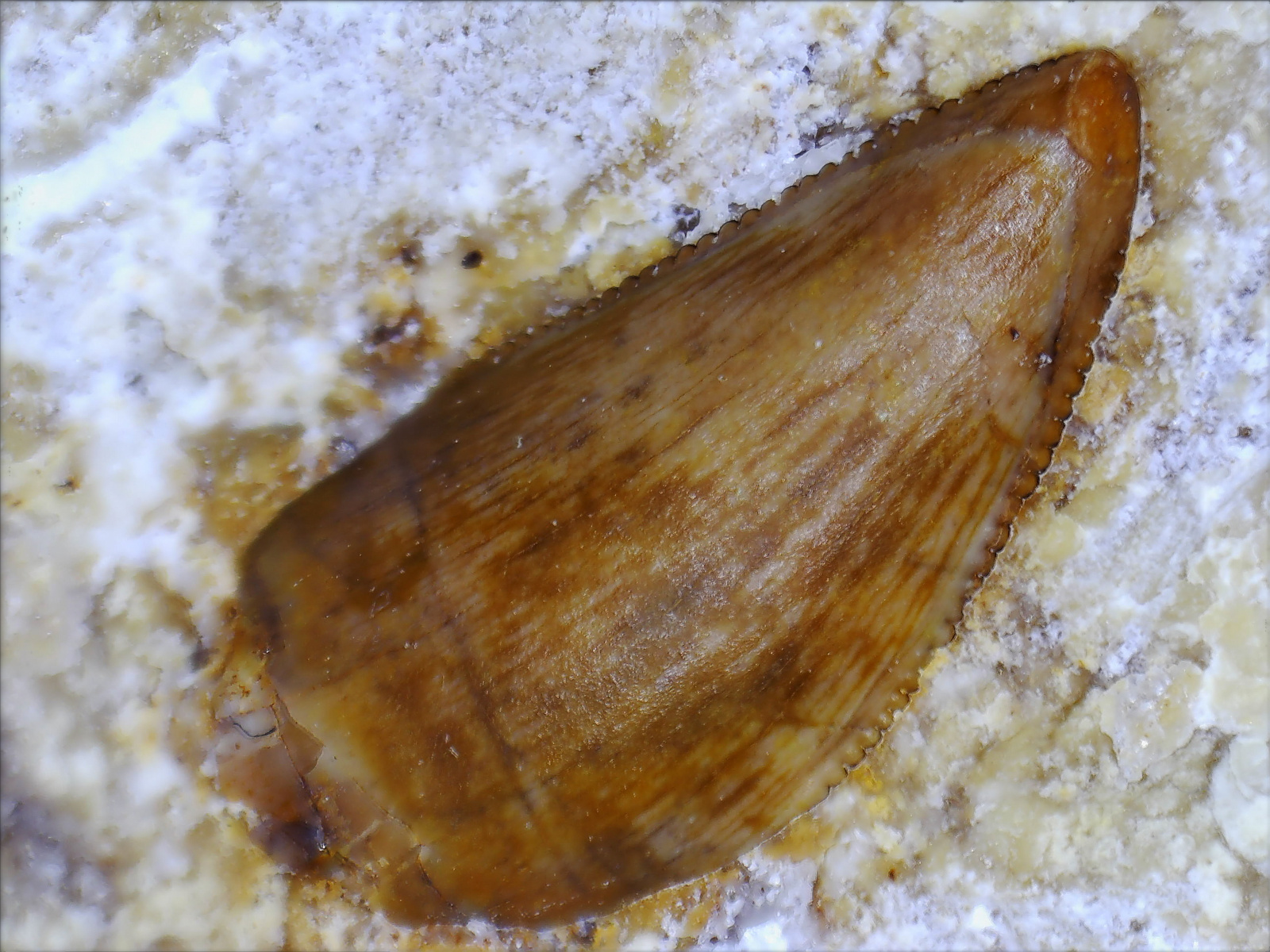
Archosauriformes indet., tooth, 27/LMK
—
Tooth crown of an indeterminate archosauromorph from the Middle Triassic of Upper Silesia, Poland. Serrated, ziphodont morphology consistent with terrestrial or semi-aquatic predatory reptiles.
-
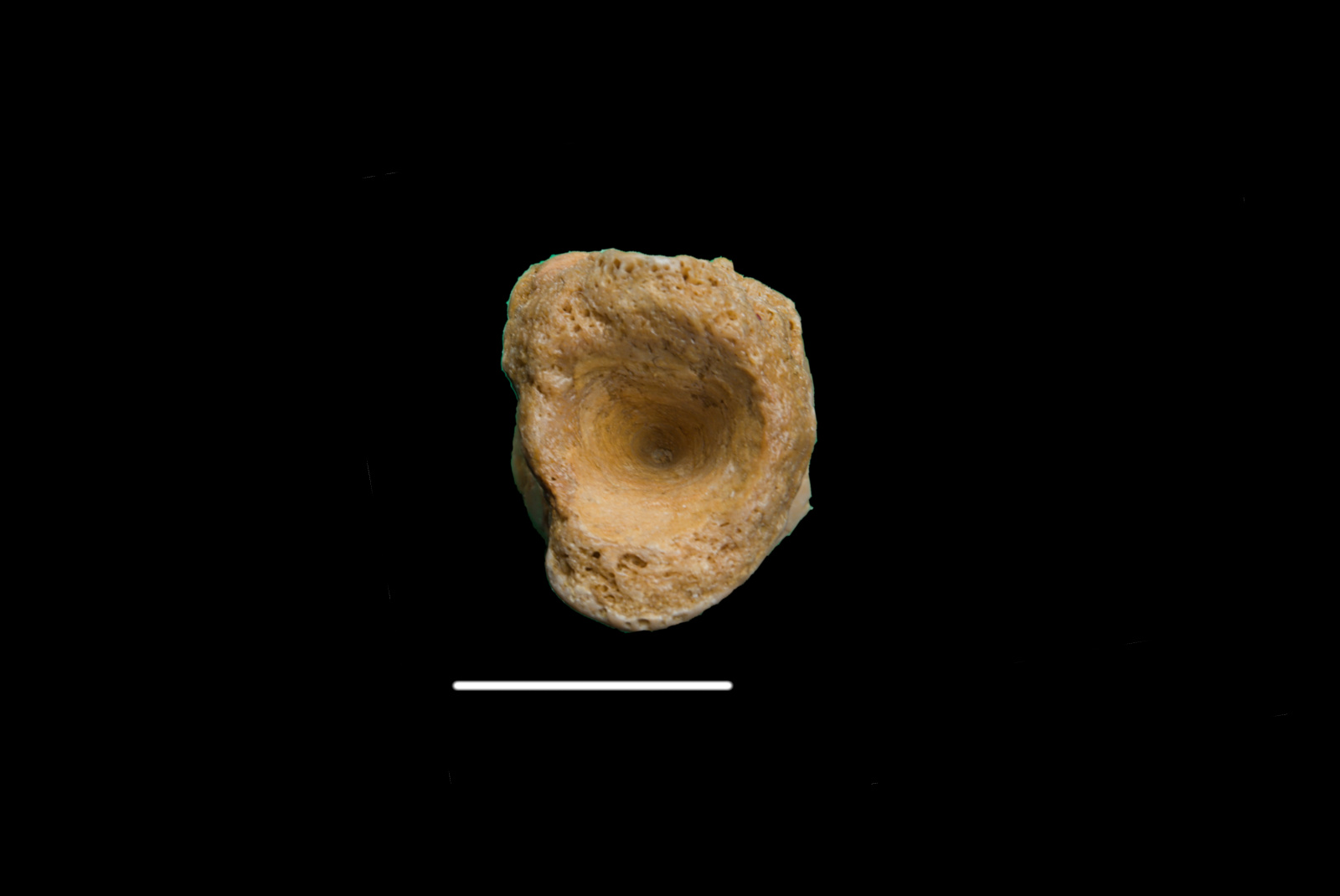
Placodontia indet., vertebra centrum, 26/LMK
Vertebral centrum of an indeterminate placodont from the Lower Muschelkalk (Middle Triassic) of Upper Silesia, Poland. Despite abrasion, the specimen preserves features typical of placodont vertebrae, including clearly amphicoelous articular surfaces.
-
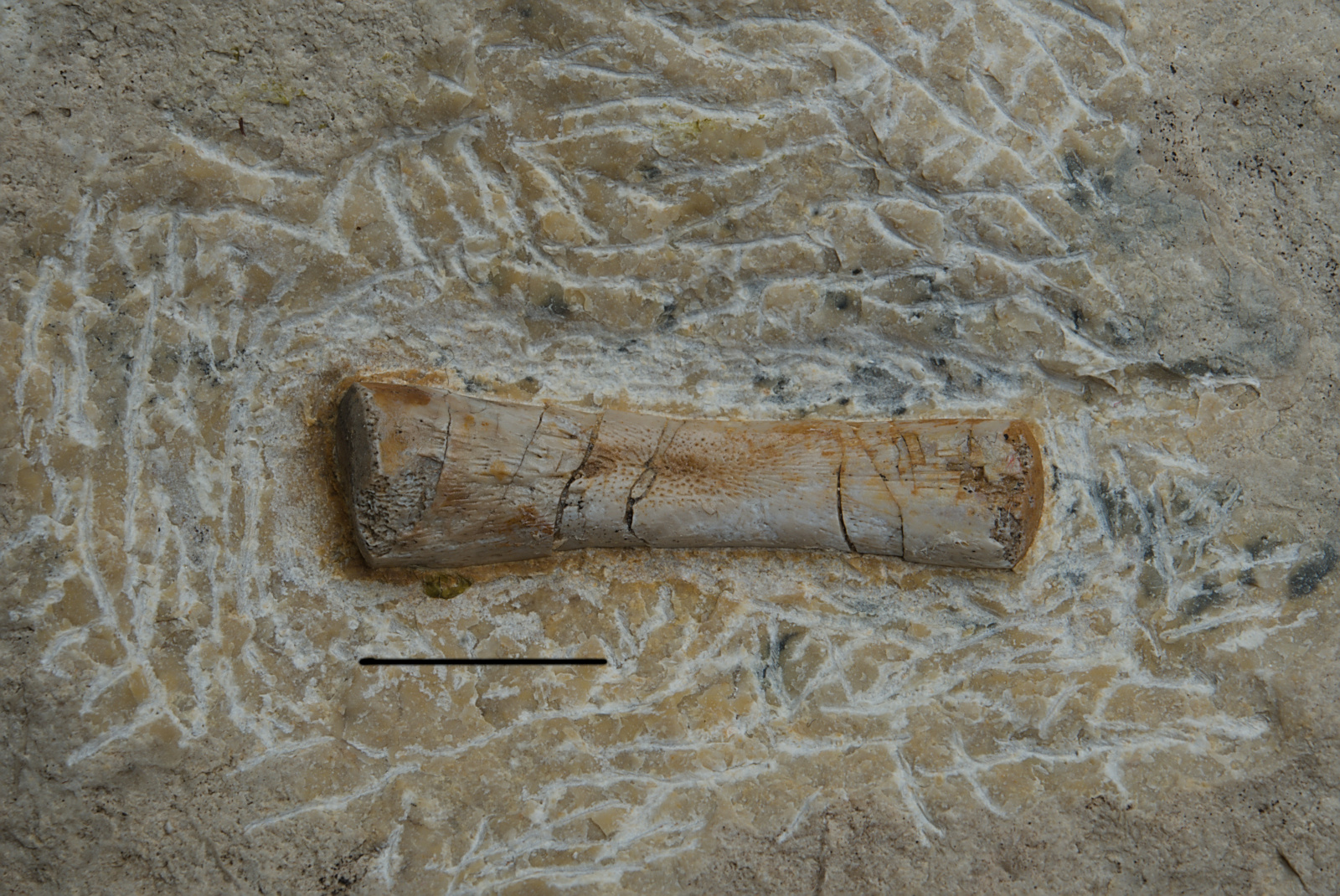
Sauropterygia indet., metapodial element, 24/LMK
—
Sauropterygia indet. (cf. Nothosaurus) Middle Triassic, Lower Muschelkalk (Anisian), Gogolin Beds Upper Silesia, Poland Probably isolated metacarpal or metatarsal bone of an unidentified Sauropterygia (most likely a medium-sized Nothosaurus). Due to the visible slight asymmetry, I think it is most likely one of the outer metacarpals or metatarsals – I or V. The bone is flattened…
-
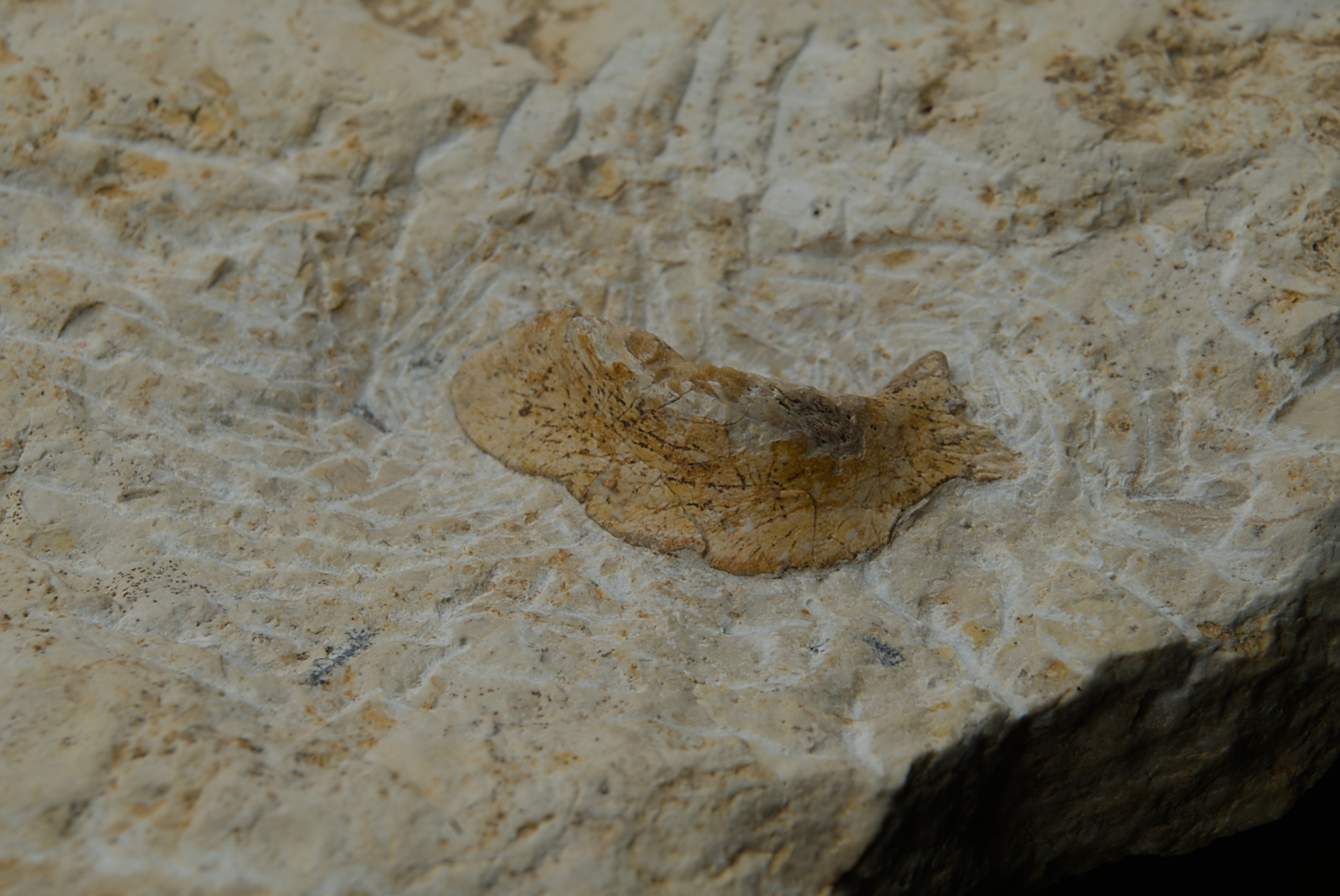
Reptilia indet., ?cranium element, 22/LMK
—
The specimen is a bone or bone fragment from an unidentified reptile. Structure of the bone and its robustness almost certainly rule out fish and amphibians (the lack of ornamentation typical of amphibians).
-
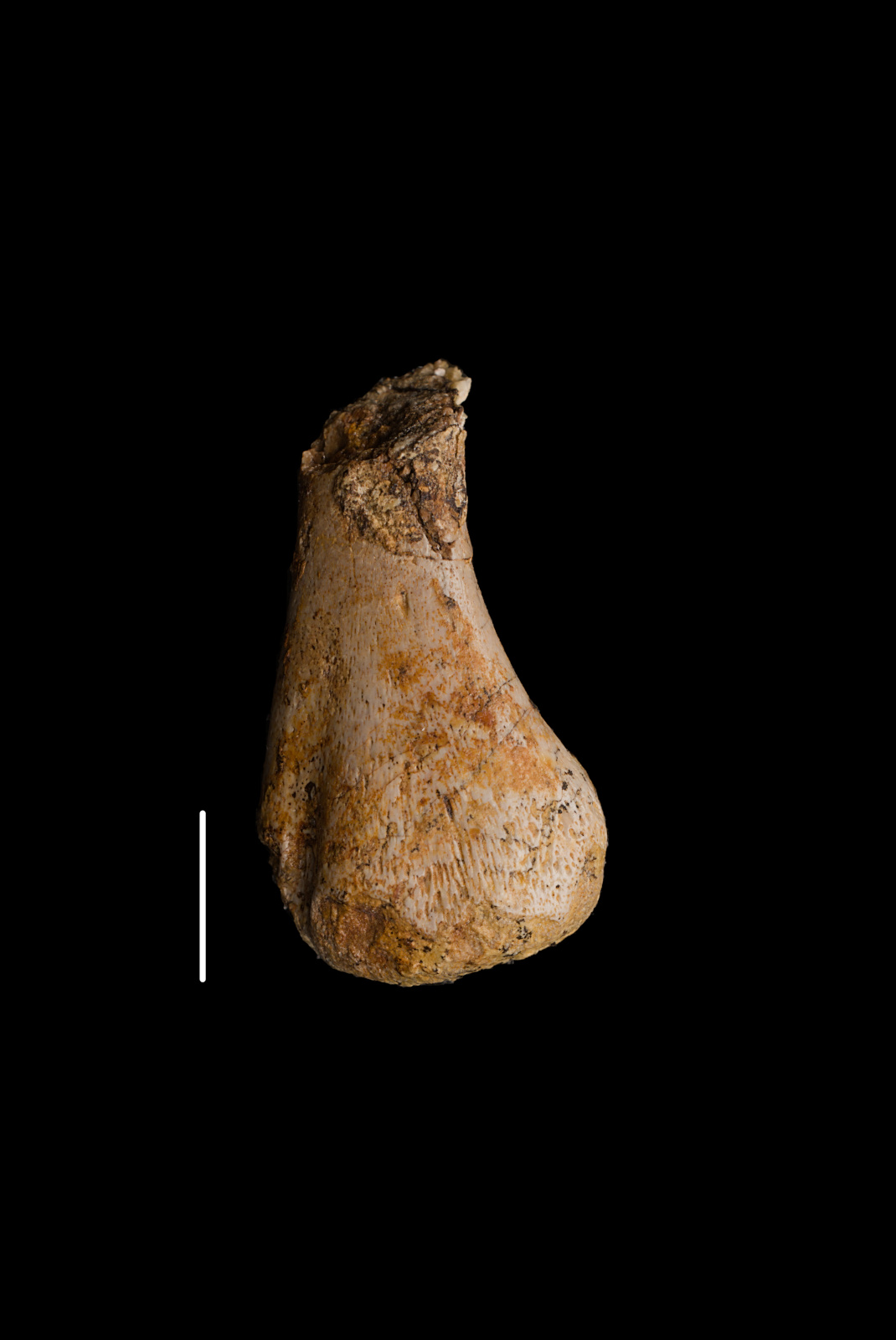
Placodontia indet., humerus fragment, 19/LMK
—
Placodontia indet. Middle Triassic, Lower Muschelkalk (Anisian), Gogolin Beds Upper Silesia, Poland The specimen is most likely a distal fragment of a humerus (upper arm bone). The broad, flattened head and the strongly pachyostotic bone structure indicate a placodont. A distinct groove is visible on the left side of the head, a feature noted by…
-
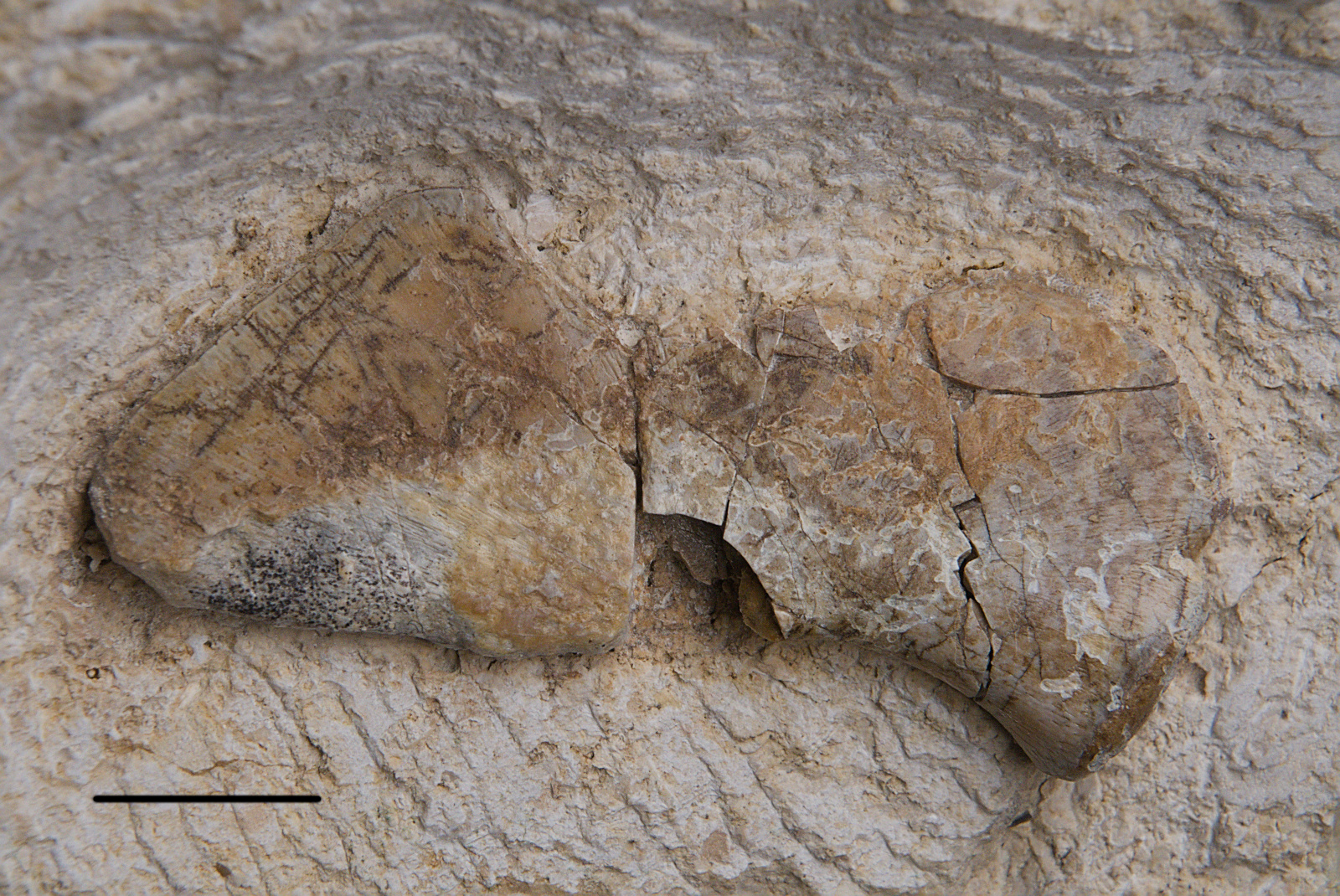
Nothosaurus sp., left coracoid, 18/LMK
—
Specimen of Nothosaurus sp., left coracoid in ventral view. Lower Muschelkalk, Gogolin Beds, Upper Silesia, Poland
-
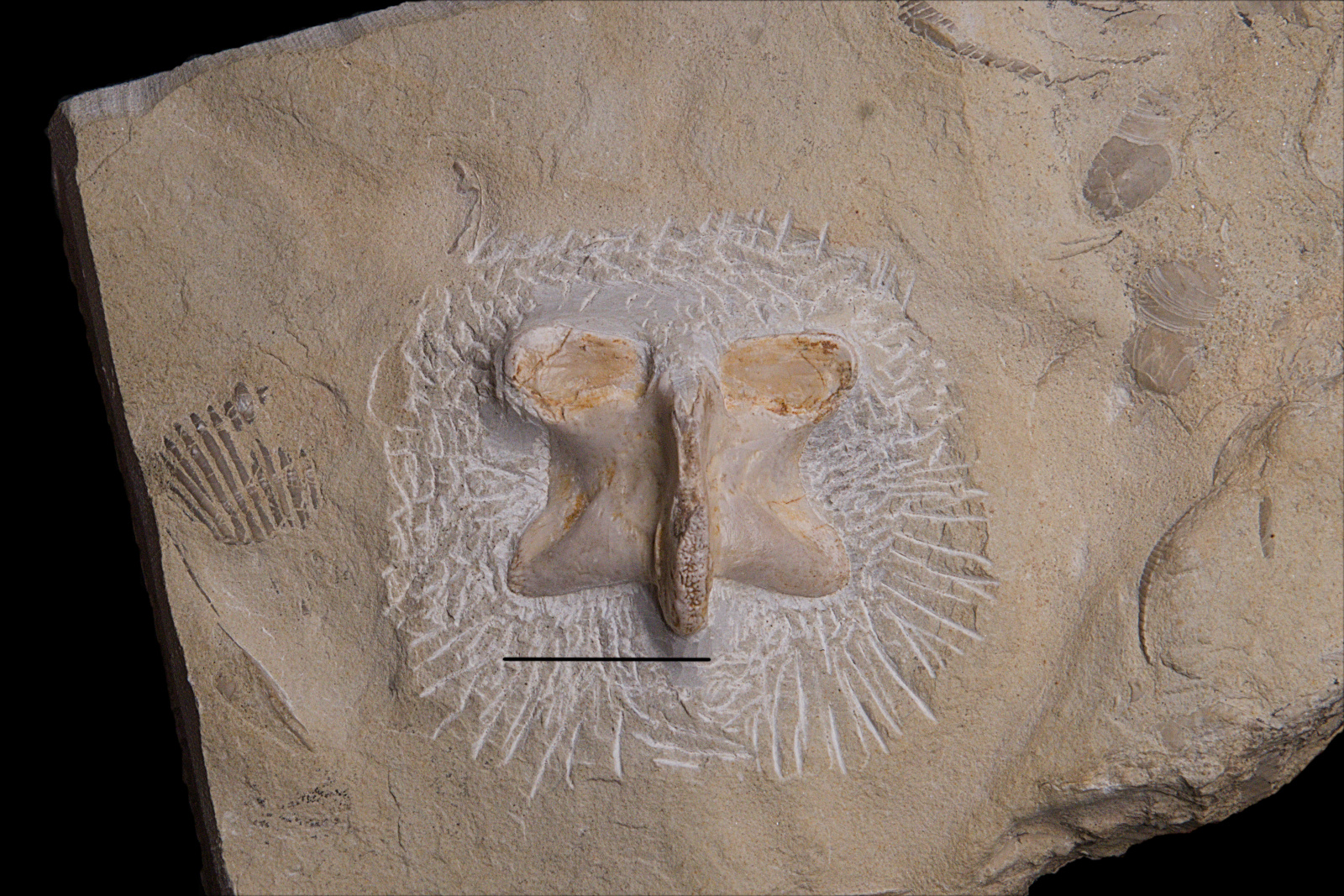
Nothosaurus sp., vertebral neural arch, 17/LMK
Nothosaurus sp. Neural arch. Gogolin Beds. Upper Silesia. Poland – The specimen is a beautifully preserved neural arch (in dorsal view). Considering its shape and size, it can be fairly safely assigned to the genus Nothosaurus.
-
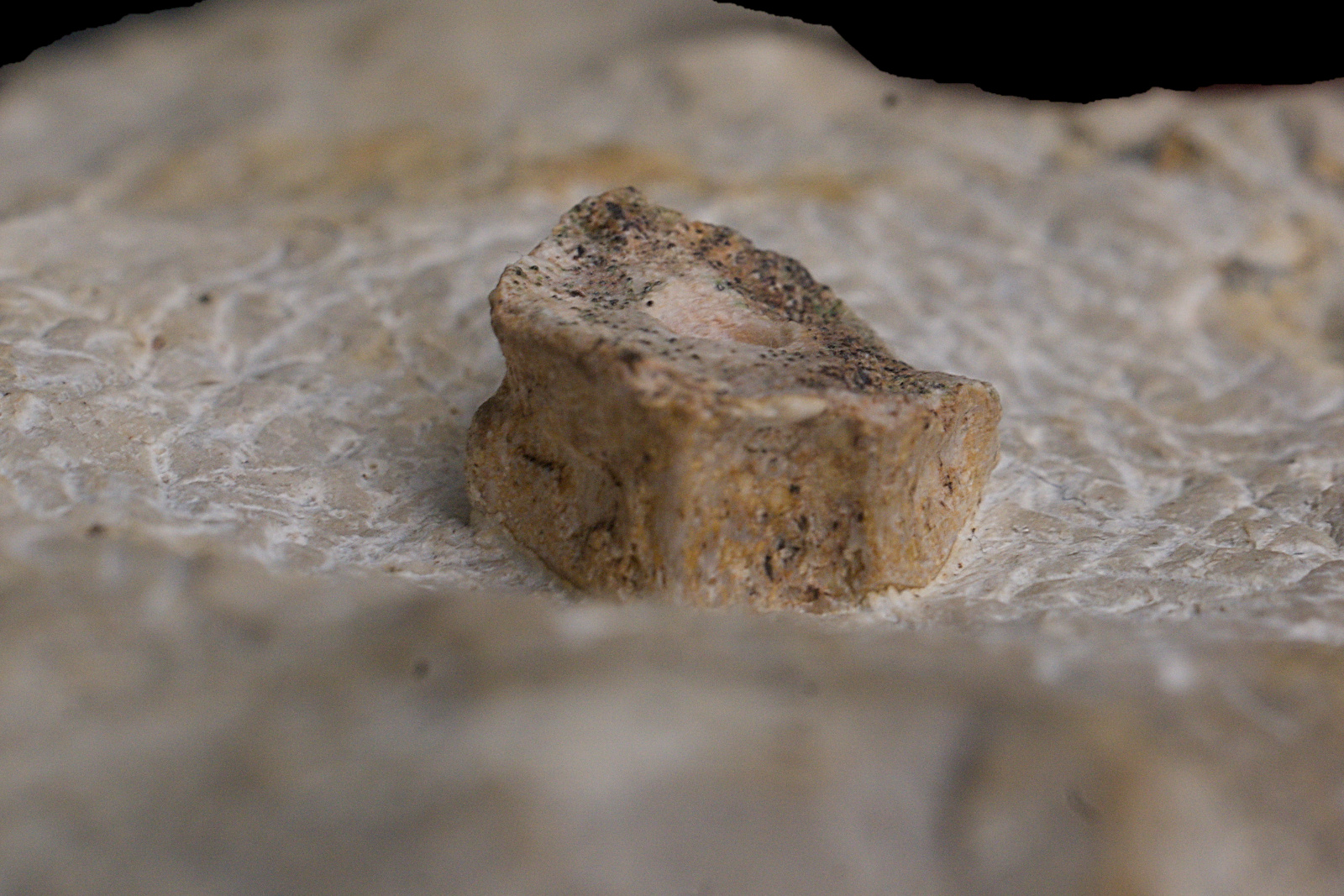
Ichthyosauria indet. (cf. Mixosauridae), vertebra centrum, 16/LMK
Ichthyosauria indet. (cf. Mixosaurus sp.) Middle Triassic, Lower Gogolin Beds, Upper Silesia, Poland Ichthyosaur remains are extremely rare in the Muschelkalk deposits of Upper Silesia. The photos show a single vertebral centrum – though slightly damaged, it clearly displays the diagnostic features that allow for its assignment to this group of extinct marine reptiles (most…
-
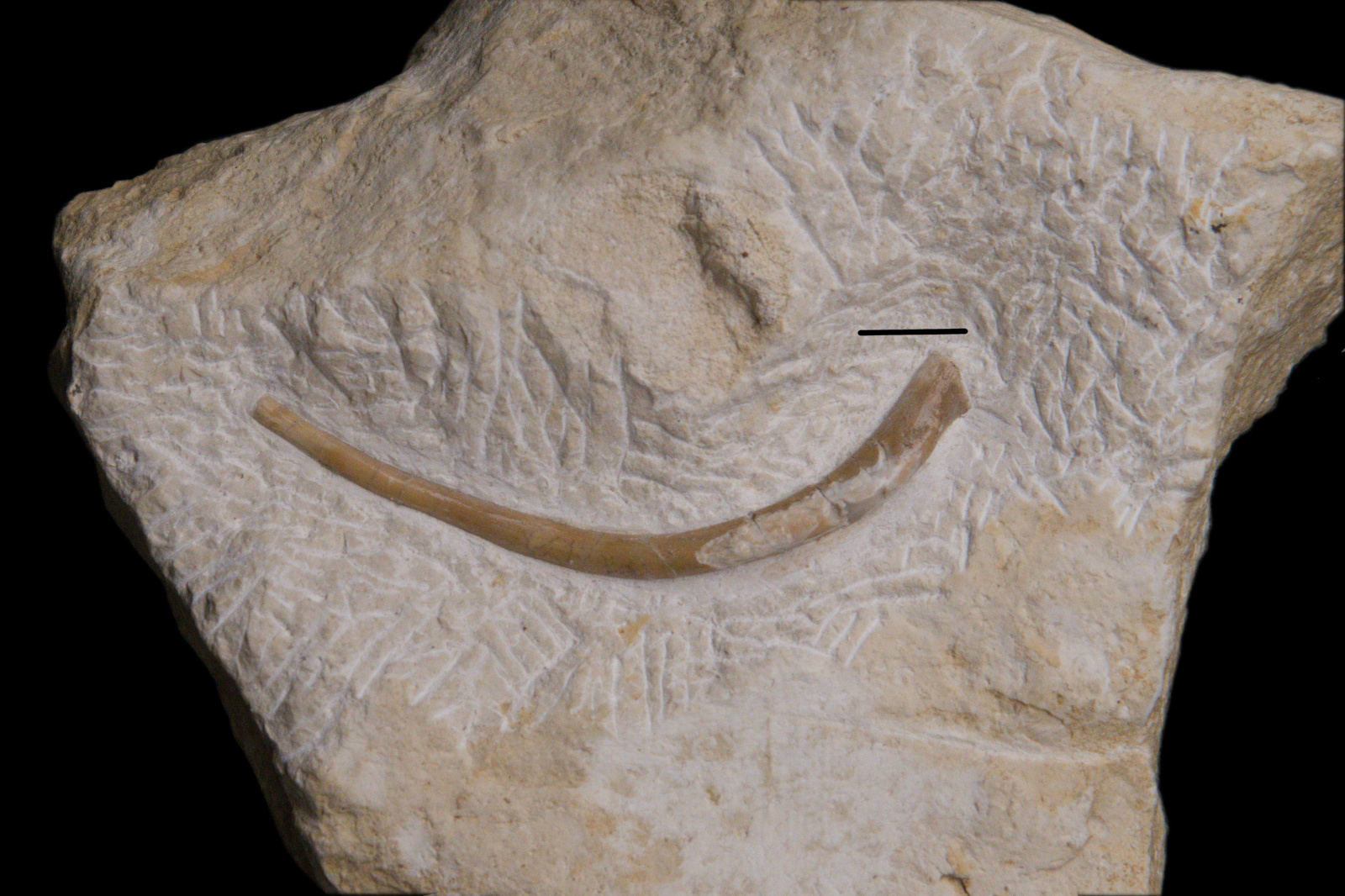
Sauropterygia cf. Nothosaurus, dorsal rib, 15/LMK
—
Sauropterygia cf. Nothosaurus Middle Triassic, Gogolin Beds, Upper Silesia, Poland A rare find of a complete rib of this size from Sauropterygia indet. (probably Nothosaurus). The bone structure is clearly pachystotic – the rib is massive and the tissue dense. This structure is a primitive adaptation to aquatic life – the heavy bones acted as ballast,…
-
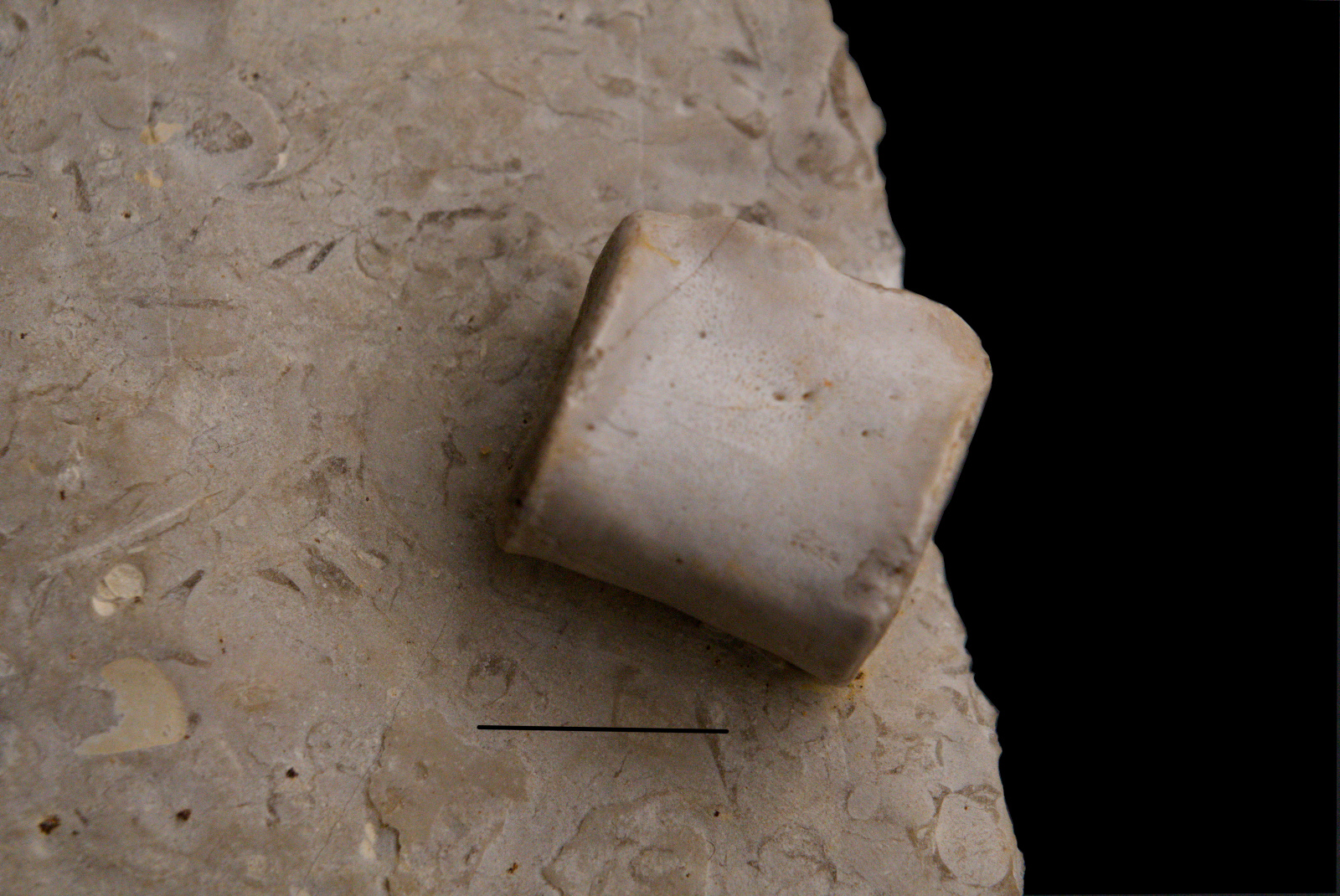
Sauropterygia cf. Nothosaurus, dorsal? vertebra centrum, 14/LMK
Sauropterygia cf. Nothosaurus Middle Triassic, Lower Gogolin Beds, Upper Silesia, Poland An example of a Sauropterygian vertebra centrum (likely Nothosaurus sp.). This is a well-preserved, large specimen (for this region). The first photo shows the vertebra in lateral view. A nutrient foramen (vascular opening) through which blood vessels entered the bone is visible upon closer…