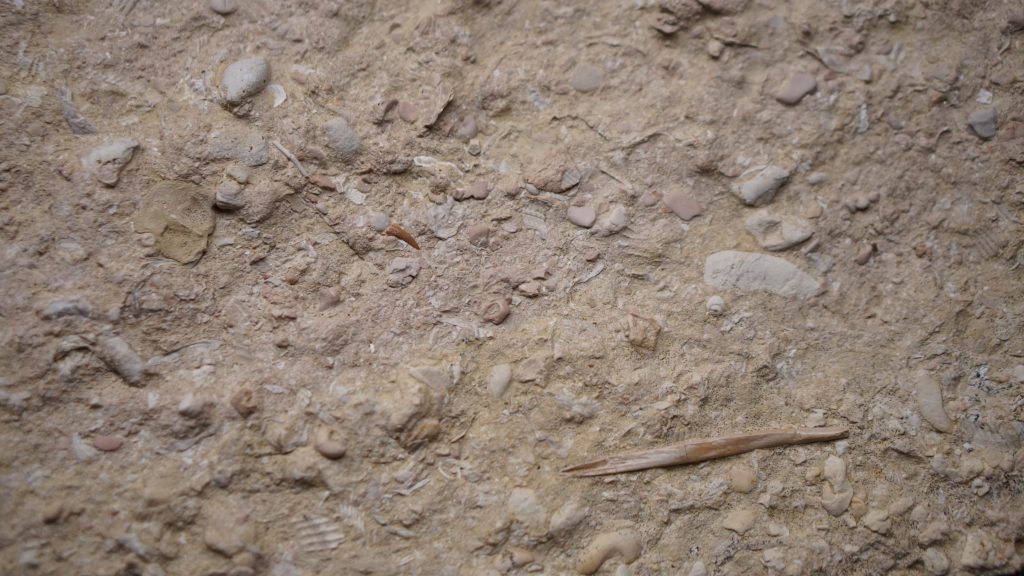

Tag: Ladinian
-
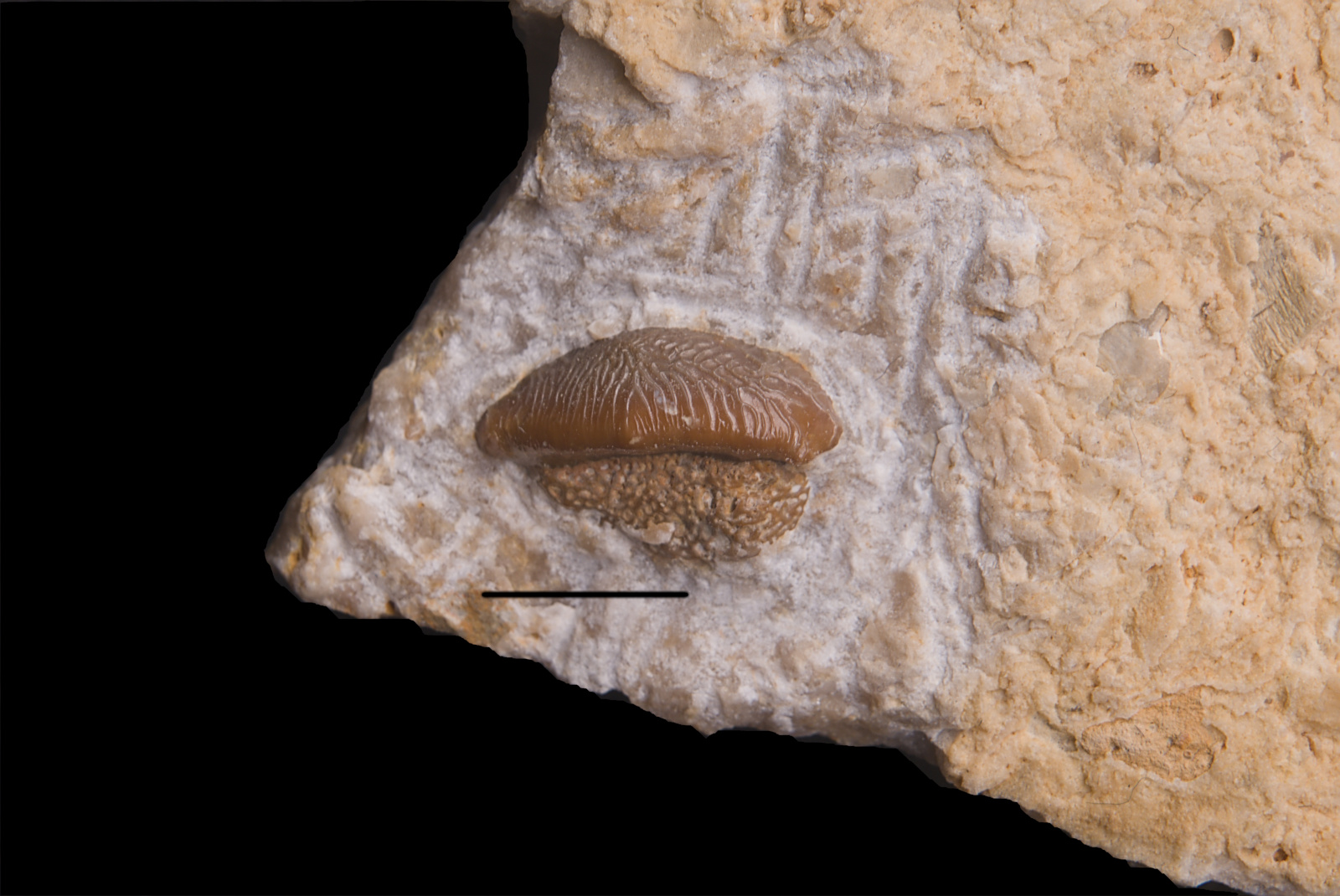
Acrodus cf. lateralis, tooth, 11/UMK
—
A specimen of a shark tooth from the genus Acrodus (Acrodus cf. lateralis). From the Upper Muschelkalk (Middle Triassic, Ladinian) deposits of Upper Silesia. Relatively unusually, the tooth has a preserved root.
-
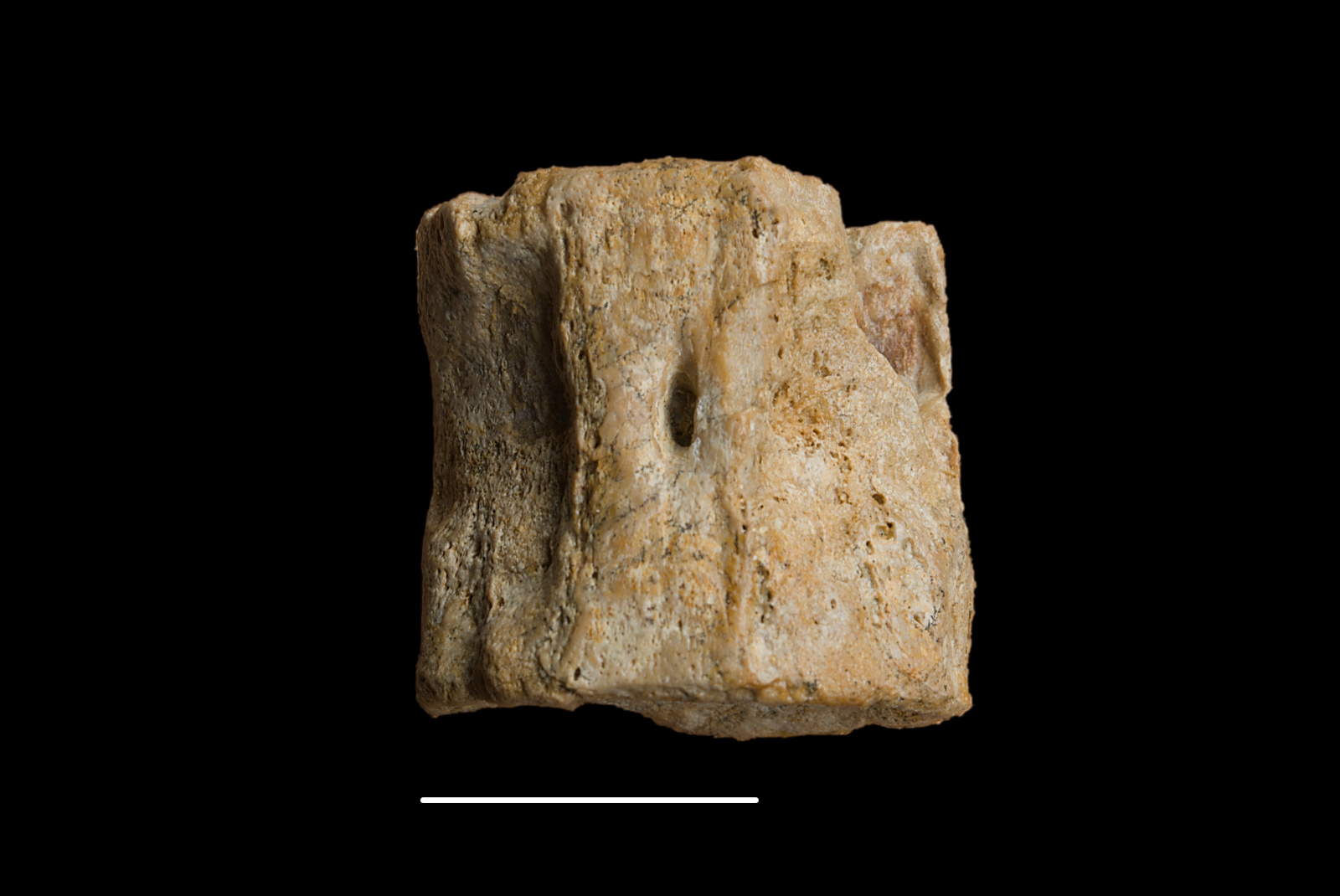
Pistosaurus cf. longaevus, cervical vertebra centrum, 10/UMK
Pistosaurus cf. longaevus Middle Triassic, Upper Muschelkalk (Ladinian), Upper Silesia, Poland Isolated vertebra centrum of Pistosaurus cf. longaevus. Despite abrasion and incompleteness (the neural arch is missing), the specimen’s features allow for a number of conclusions. The centrum is flattened. In dorsal view, the articulation surfaces (pedicular facets) of the missing arch are visible as…
-
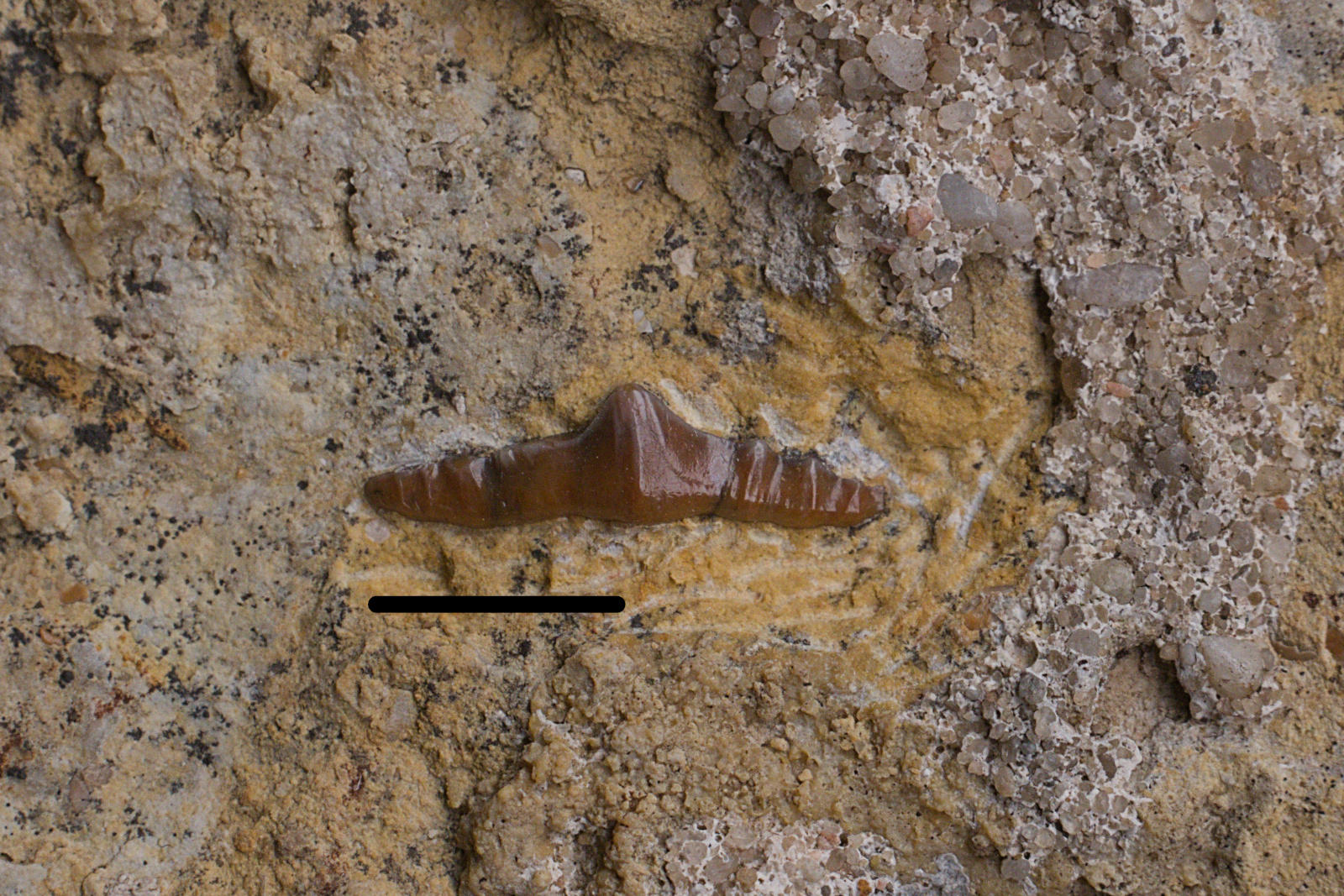
Polyacrodus sp., tooth, 9/UMK
—
Polyacrodus sp. Middle Triassic, Upper Muschelkalk (Ladinian), Upper Silesia, Poland A beautifully preserved specimen of a shark tooth crown, Polyacrodus sp., belonging to the order Hybodontiformes. My observations indicate that the teeth of these sharks are significantly less numerous in the Ladinian sediments of Upper Silesia than those of other hybodonts. This is the only…
-
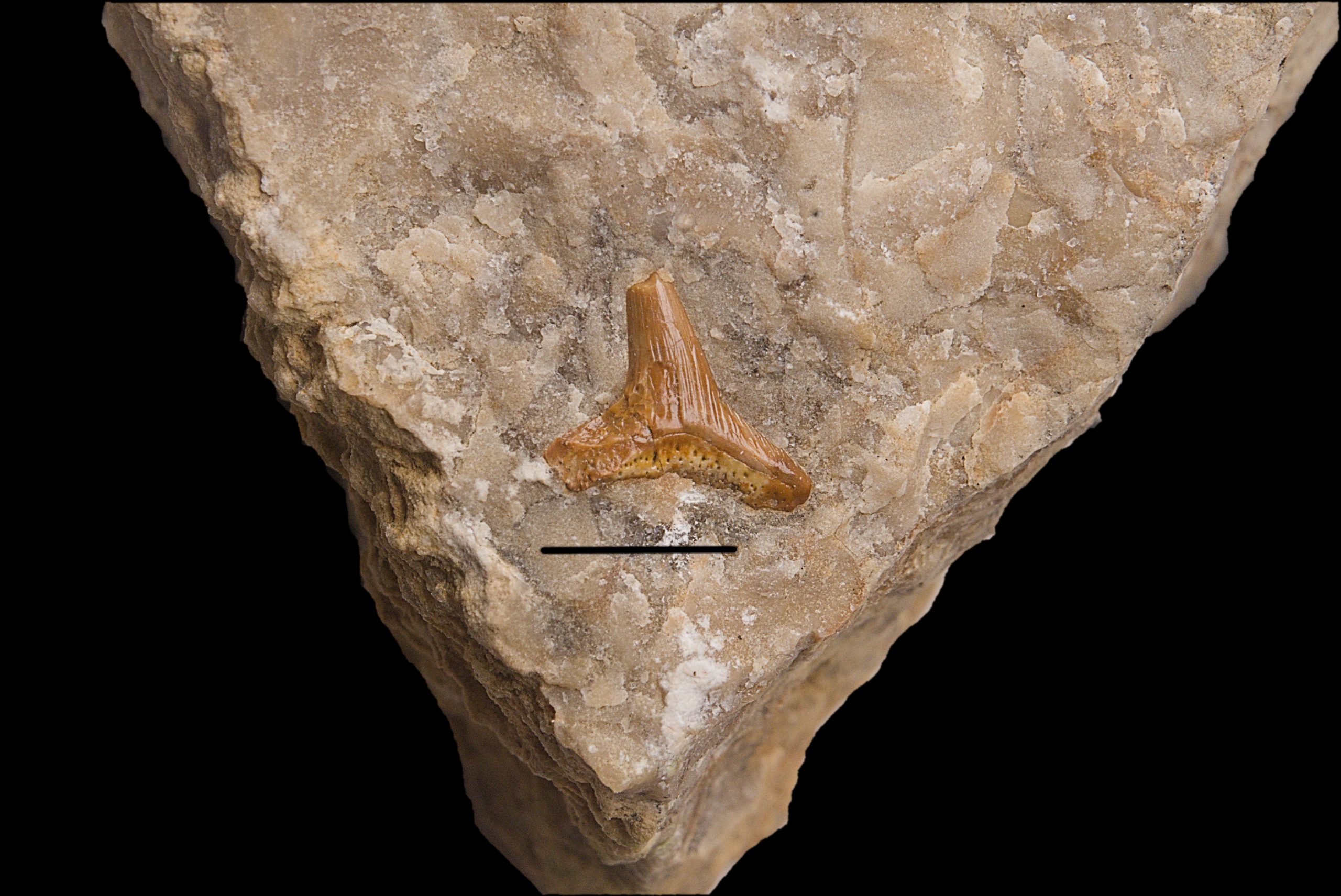
Parhybodus plicatilis, anterior tooth, 8/UMK
—
A well-preserved specimen of the anterior slender tooth of the hybodont shark Parhybodus plicatilis.
-
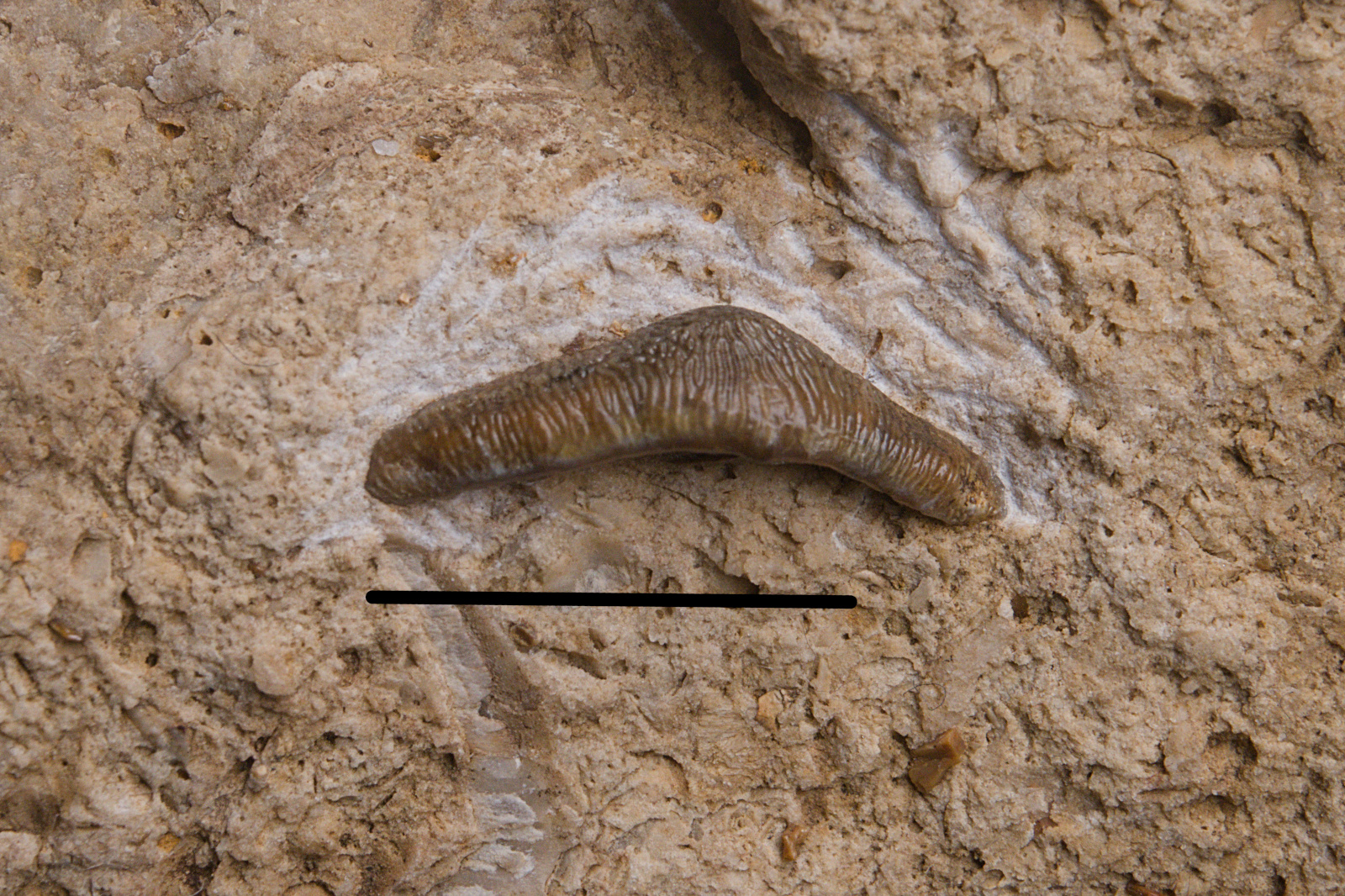
Acrodus sp, tooth, 7/UMK
—
A beautifully preserved tooth crown from Acrodus sp.. The root is missing, suggesting it was much less durable than the crown itself. In fact, these occasionally broken (though still recognizable) crowns are often the only identifiable elements in the “fishy mess” of vertebrate remains I encounter.
-
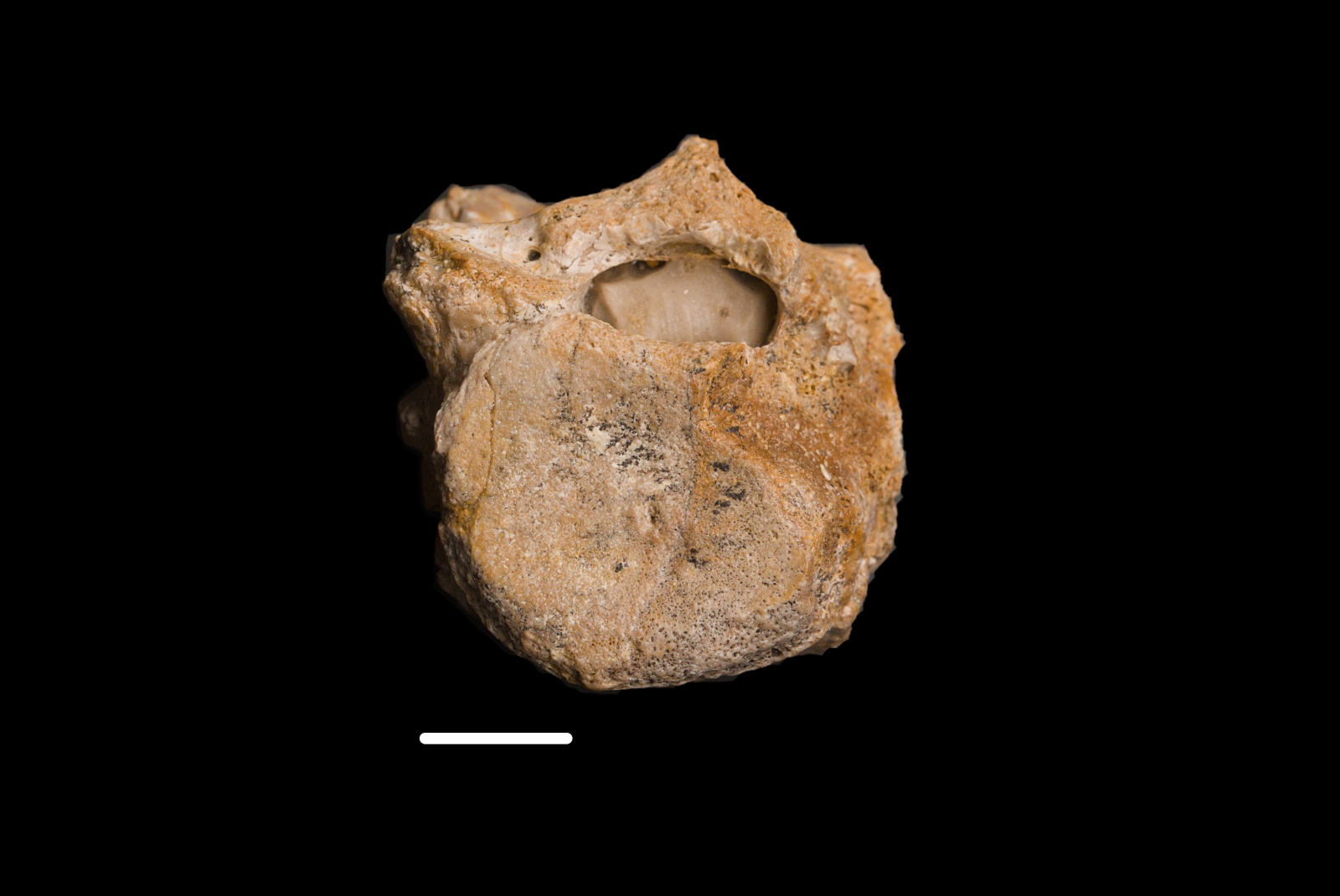
Pistosaurus longaevus, vertebra, 6/UMK
A beautiful specimen of a nearly complete vertebra of Pistosaurus longaevus. Middle Triassic, Upper Muschelkalk (Ladinian), Upper Silesia, Poland
-
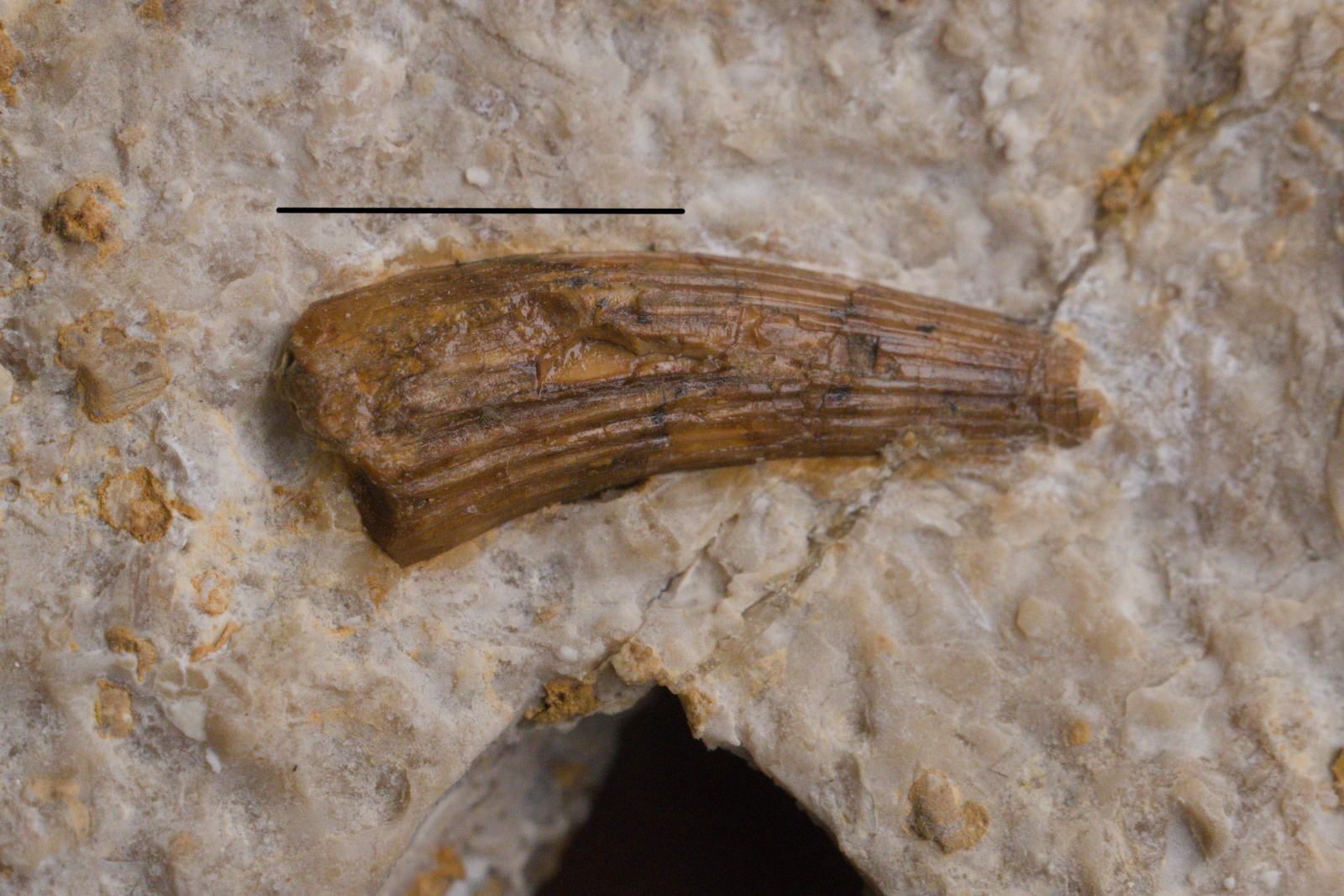
Sauropterygia cf. Nothosaurus, tooth, 5/UMK
—
Sauropterygia cf. Nothosaurus Middle Triassic, Upper Muschelkalk (Ladinian), Upper Silesia, Poland The largest Sauropterygian tooth in my collection. Unfortunately, the specimen’s preservation leaves something to be desired, especially since the apex of the tooth is missing. In any case, a tooth of this size must have belonged to a large individual. Obtaining it required considerable…
-
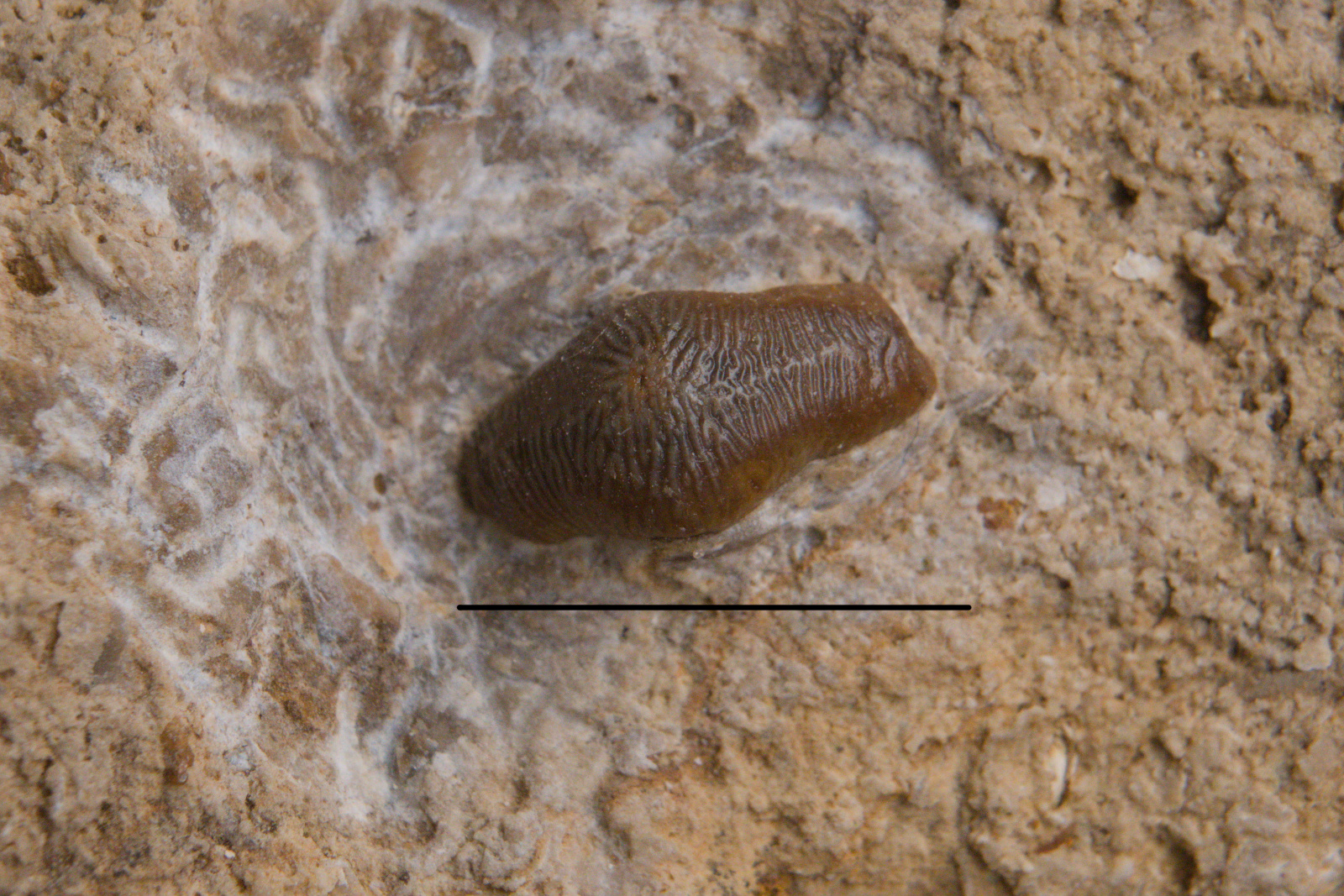
Acrodus lateralis, tooth, 4/UMK
—
Acrodus lateralis Middle Triassic, Upper Muschelkalk (Ladinian), Upper Silesia, Poland A beautifully preserved tooth crown from the hybodont shark Acrodus lateralis. The teeth of this species are smaller than those of Acrodus gaillardoti, with more refined ornamentation. The delicate, yet distinct, branching ridges converge to a keel that runs the entire length of the tooth.…
-
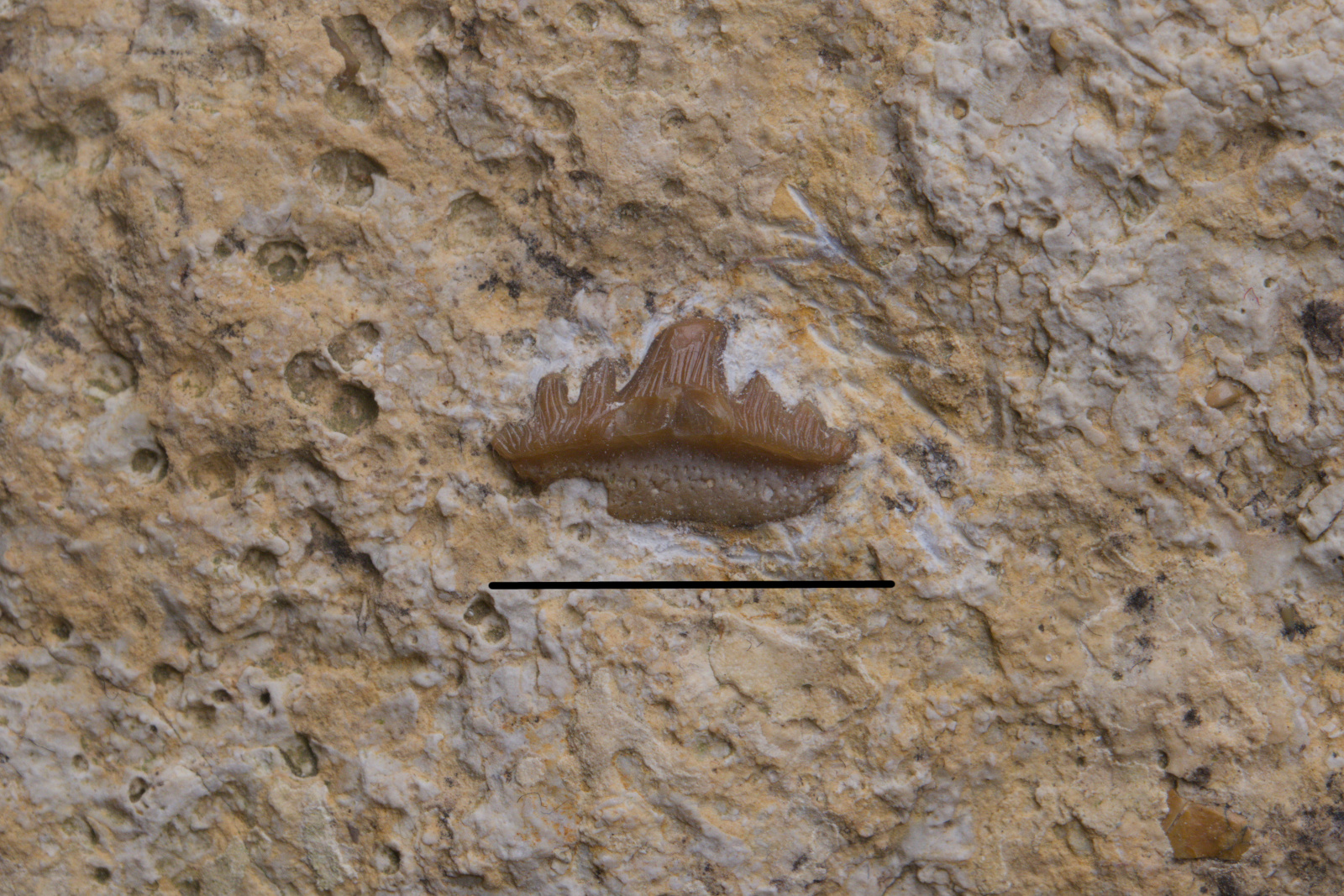
Parhybodus plicatilis, tooth, 3/UMK
—
A specimen of a antero-lateral tooth of Parhybodus plicatilis.
-
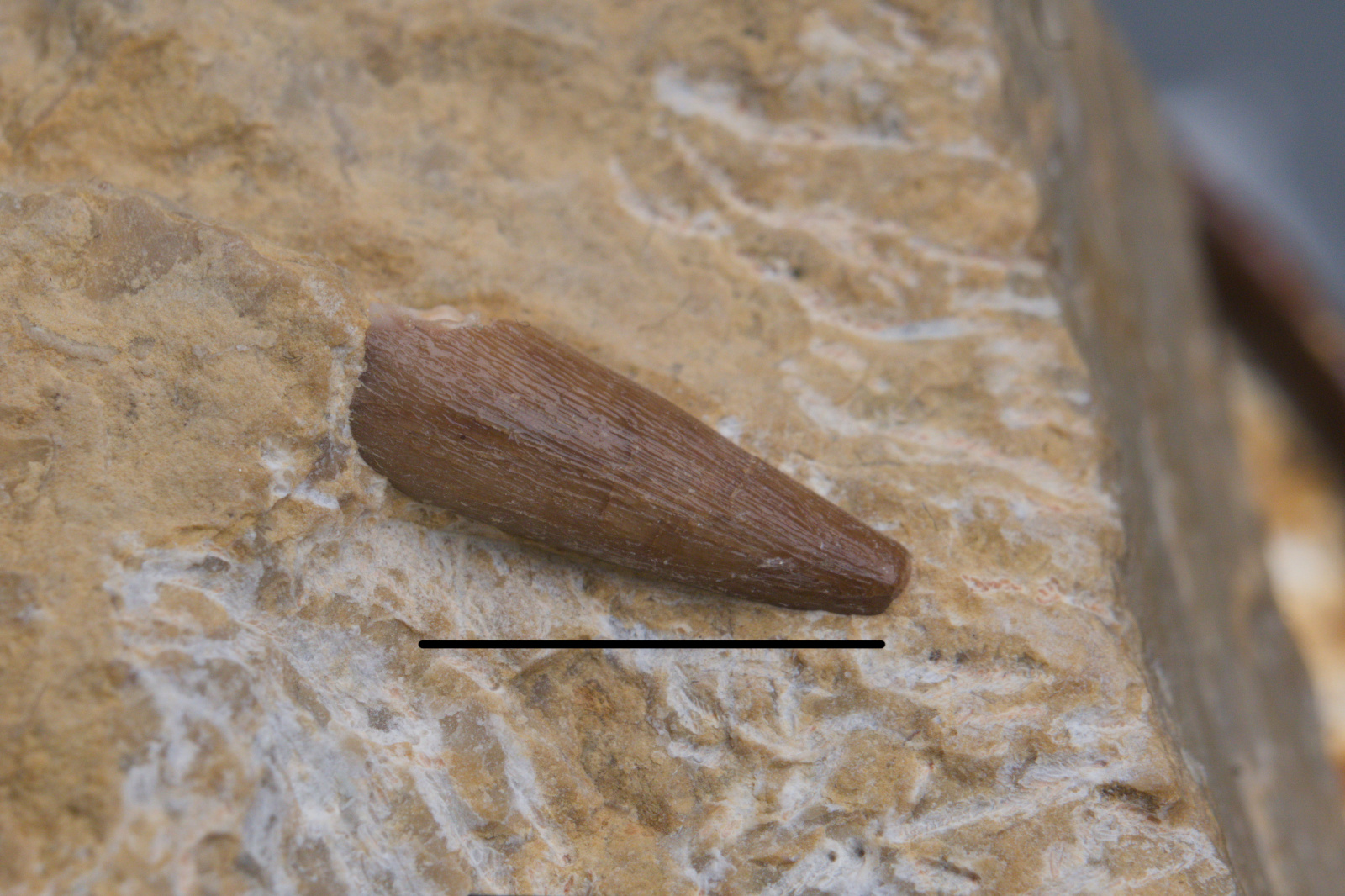
Pistosaurus longaevus, tooth, 2/UMK
—
Pistosaurus longaevus Middle Triassic, Upper Muschelkalk (Ladinian), Upper Silesia, Poland Pistosaurus were an intermediate form (though not considered a direct ancestor) between Nothosaurus and Plesiosaurus. They were the first known reptiles to move by underwater flight. While nothosaurids moved primarily by twisting their trunks (like modern crocodiles), the movement of pistosaurids resembled the swimming of…