
Category: Osteology
-

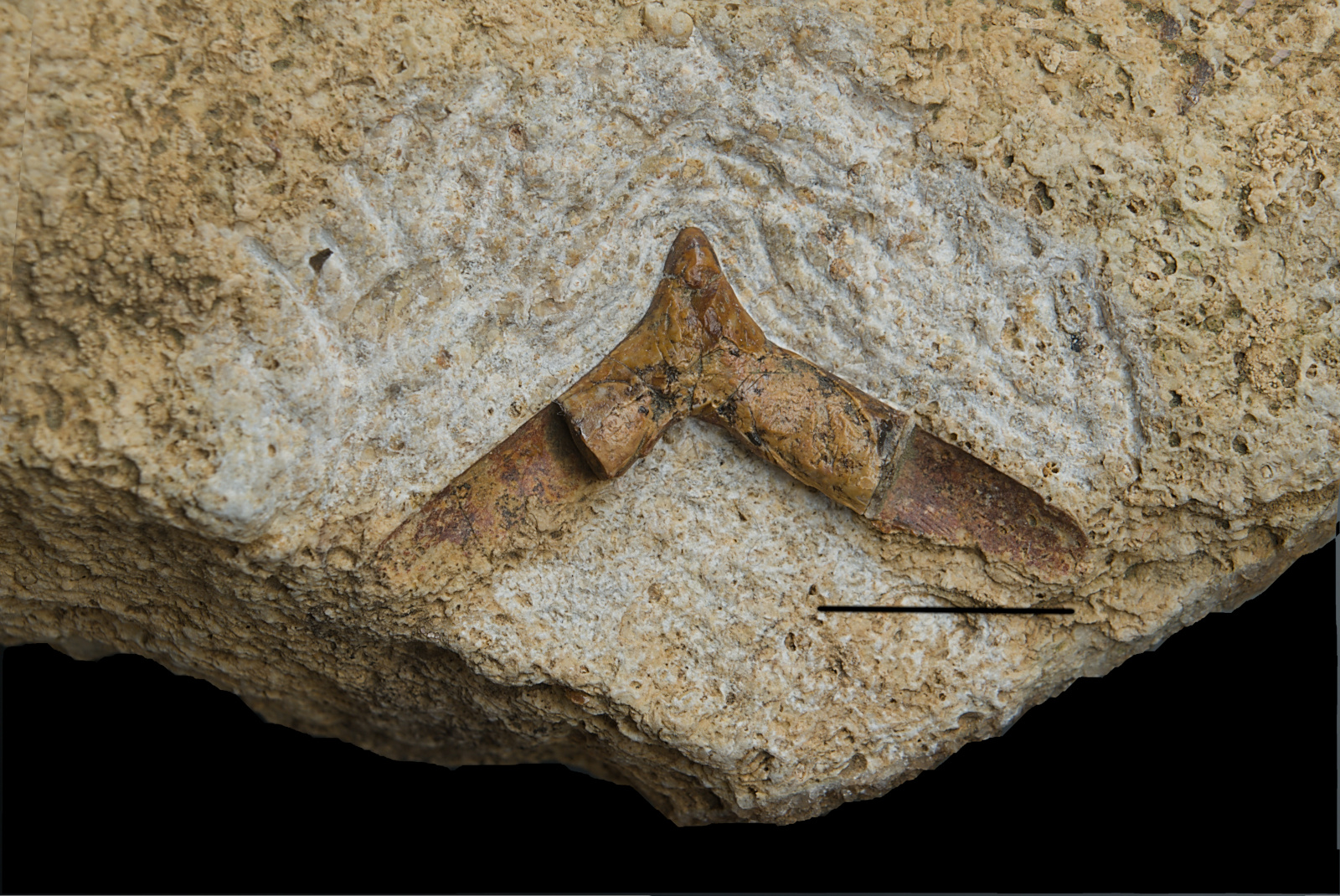
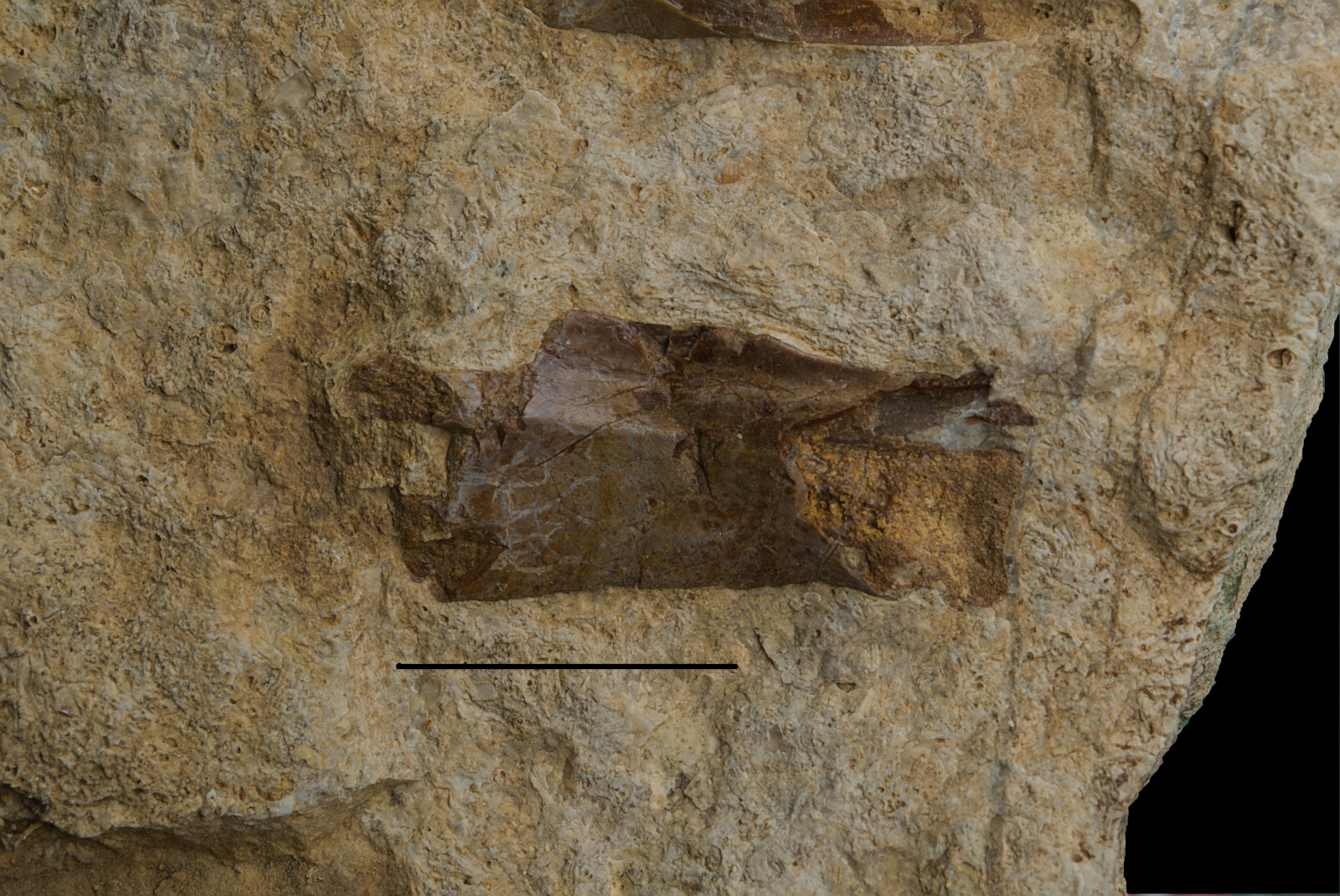
Reptilia indet., medial gastralium, 23/LMK?
Reptilia indet. Dating uncertain – Upper Roeth or Lower Muschelkalk (Olenekian or Anisian) Upper Silesia, Poland The specimen is an incomplete, fragmentary medial gastralium (“abdominal rib”) of an unidentified reptile. As mentioned in another post, the gastralia are non-diagnostic and do not support taxonomic identification. The specimen, although incomplete, clearly illustrates the morphology of these dermal…
-
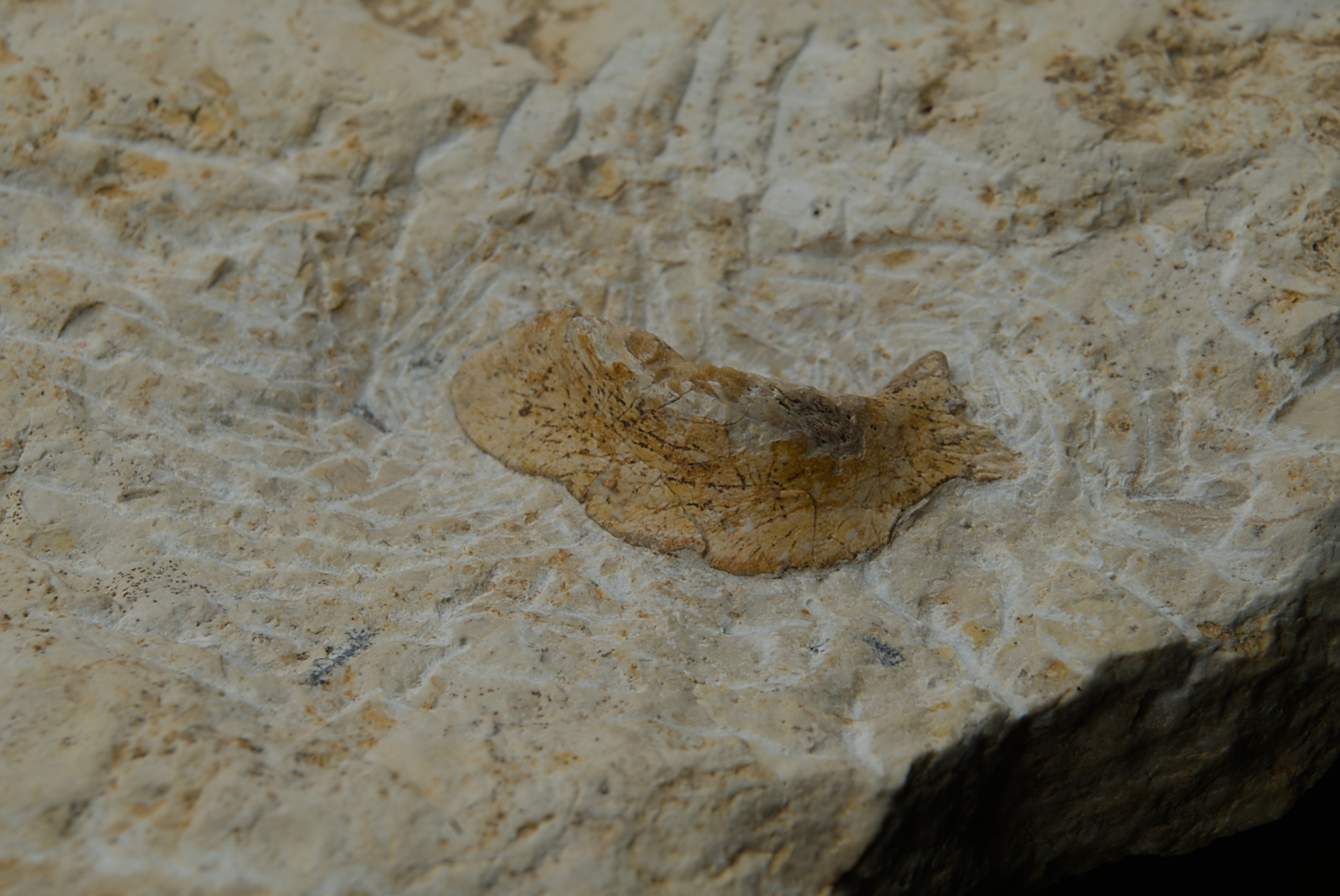
Reptilia indet., ?cranium element, 22/LMK
—
The specimen is a bone or bone fragment from an unidentified reptile. Structure of the bone and its robustness almost certainly rule out fish and amphibians (the lack of ornamentation typical of amphibians).
-
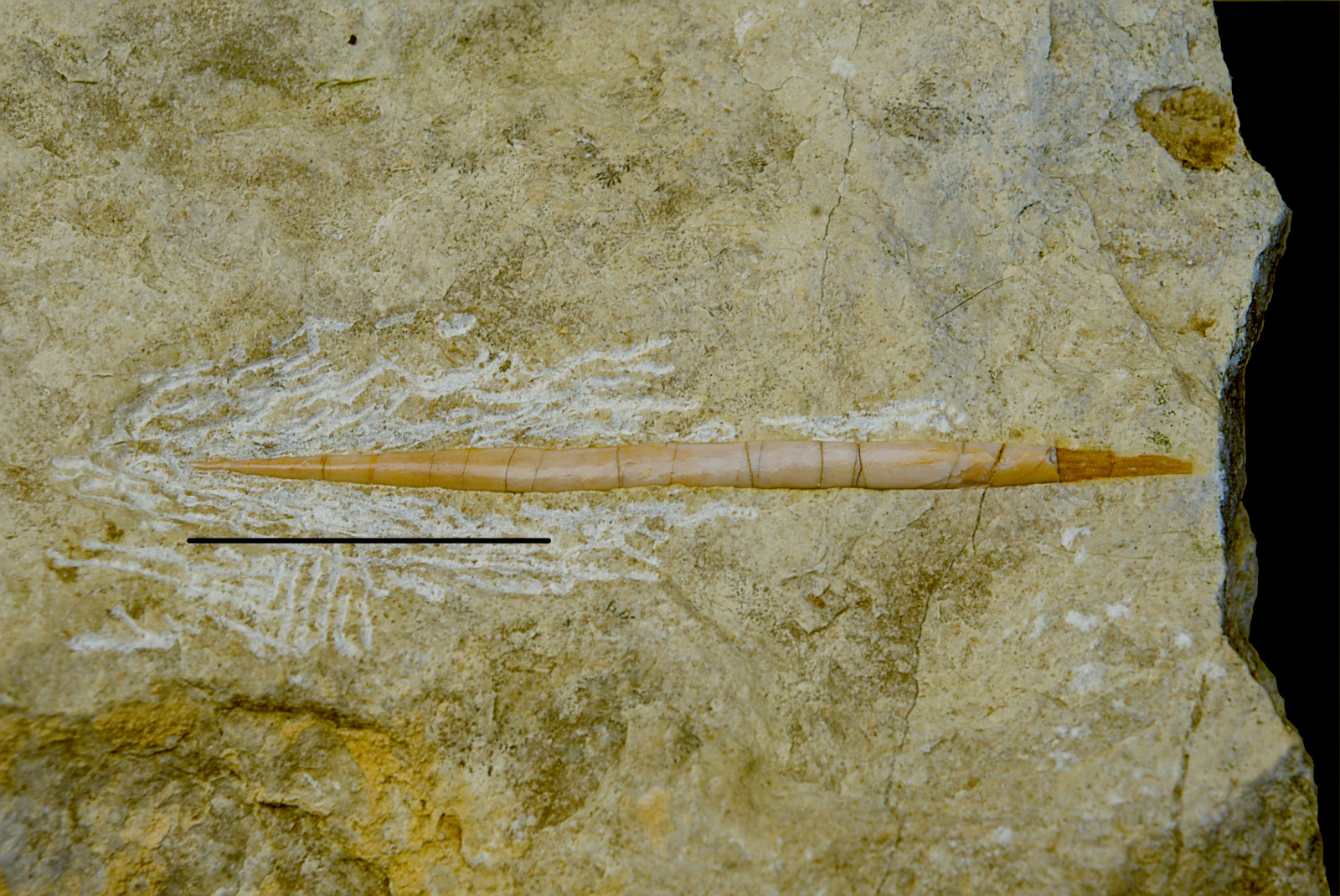
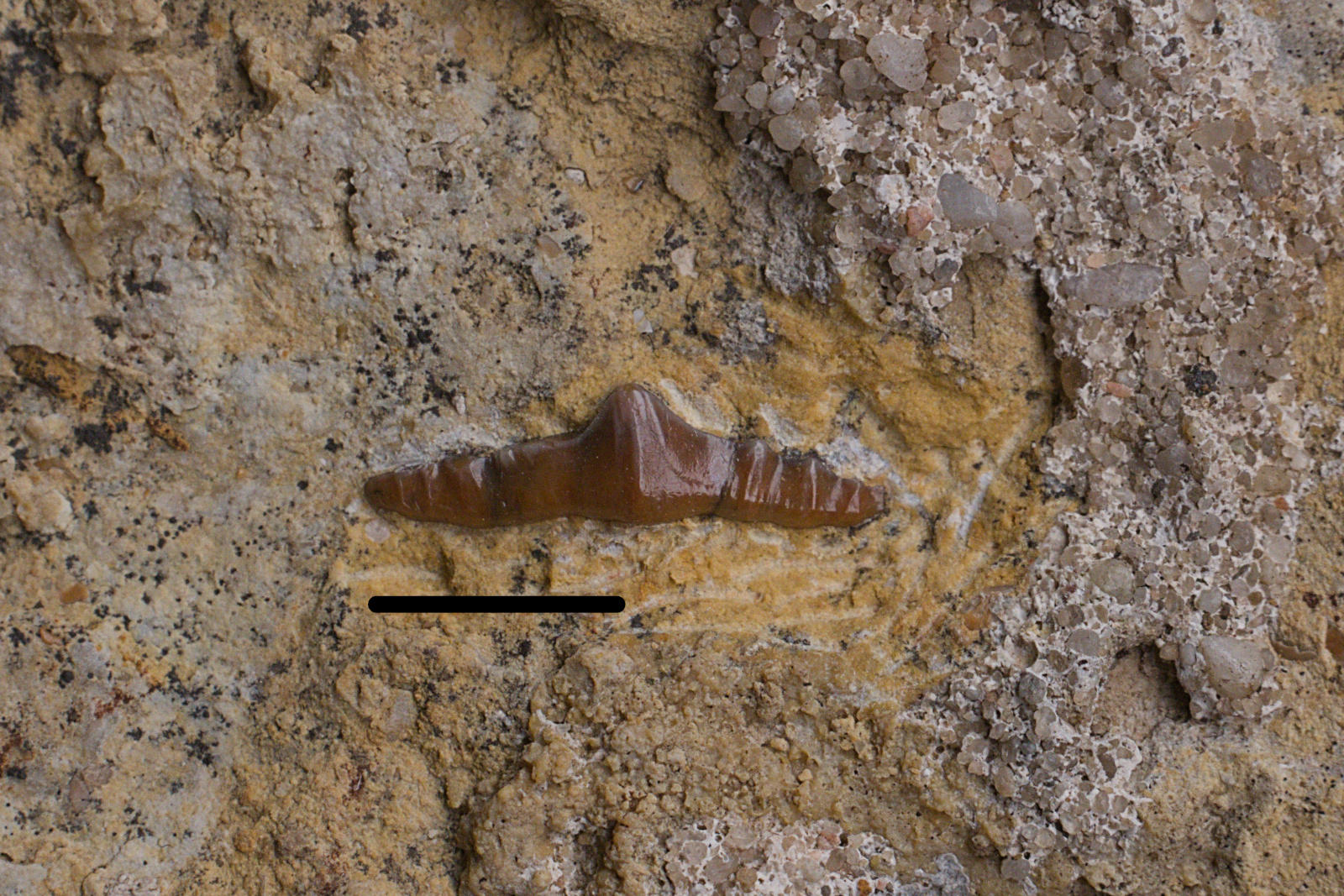
Reptilia indet., lateral gastralium, 21/LMK?
Reptilia indet. Dating uncertain – Upper Roeth or Lower Muschelkalk (Olenekian or Anisian) Upper Silesia, Poland The specimen is the lateral gastralium (ventral rib) of an indeterminate reptile. Gastralia were present in almost all Triassic marine reptiles (the exception being Ichthyosauria). Their morphology is very similar, making such specimens non-diagnostic. The specimen is approximately 56 mm…
-
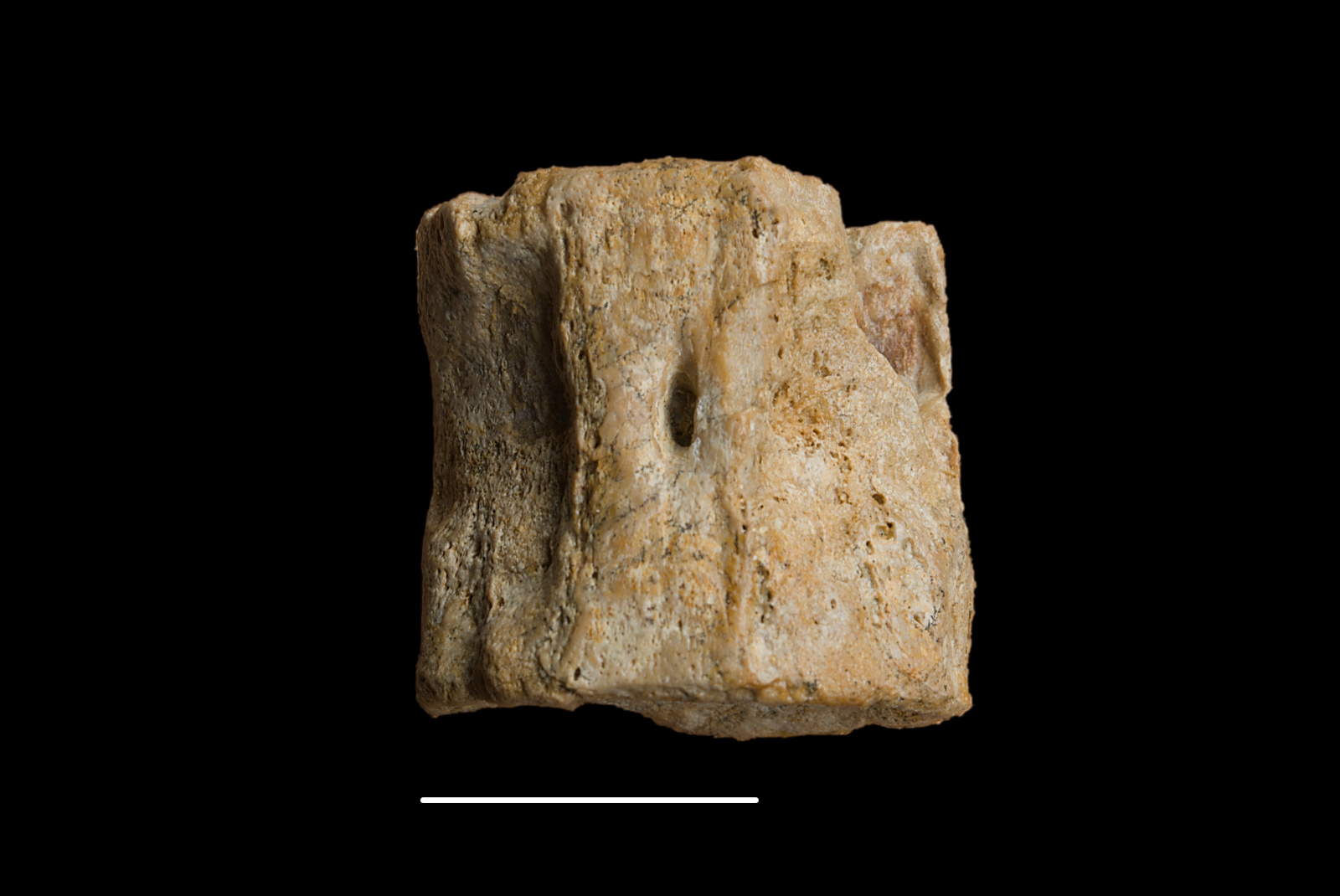
Pistosaurus longaevus, cervical vertebra centrum, 10/UMK
Pistosaurus longaevus Middle Triassic, Upper Muschelkalk (Ladinian), Upper Silesia, Poland Isolated vertebra centrum of Pistosaurus longaevus. Despite abrasion and incompleteness (the neural arch is missing), the specimen’s features allow for a number of conclusions. The centrum is flattened. In dorsal view, the articulation surfaces (pedicular facets) of the missing arch are visible as depressions on…
-
Protanystropheus antiquus cervical vertebra assoc. Reptilia indet. cervical rib, 20/LMK?
Protanystropheus antiquus (“Tanystropheus antiquus”) is an extremely rare find in Lower Muschelkalk sediments, whose systematic position is still uncertain.
-
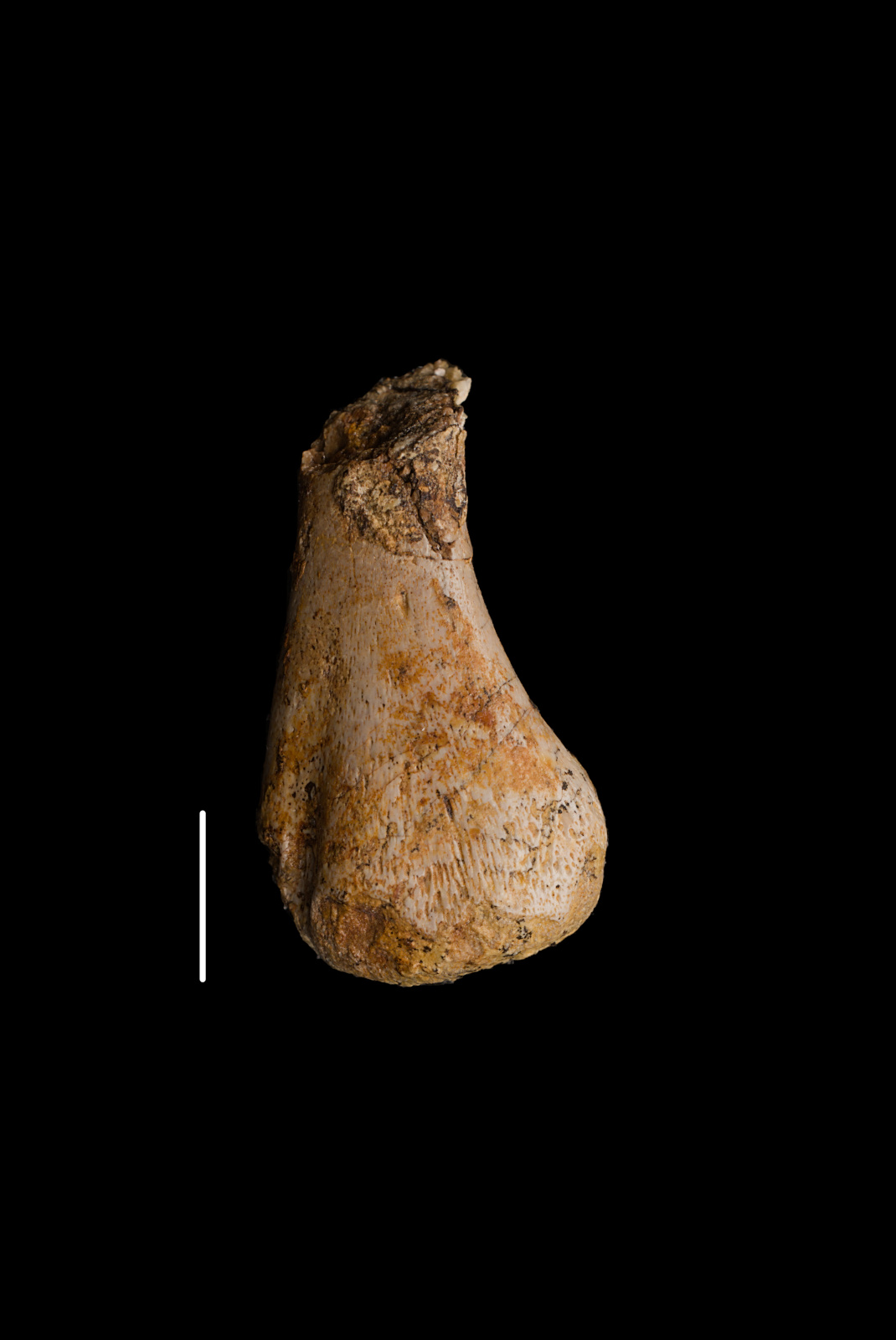
Placodontia indet., humerus fragment, 19/LMK
—
Placodontia indet. Middle Triassic, Lower Muschelkalk (Anisian), Gogolin Beds Upper Silesia, Poland The specimen is most likely a distal fragment of a humerus (upper arm bone). The broad, flattened head and the strongly pachyostotic bone structure indicate a placodont. A distinct groove is visible on the left side of the head, a feature noted by…
-
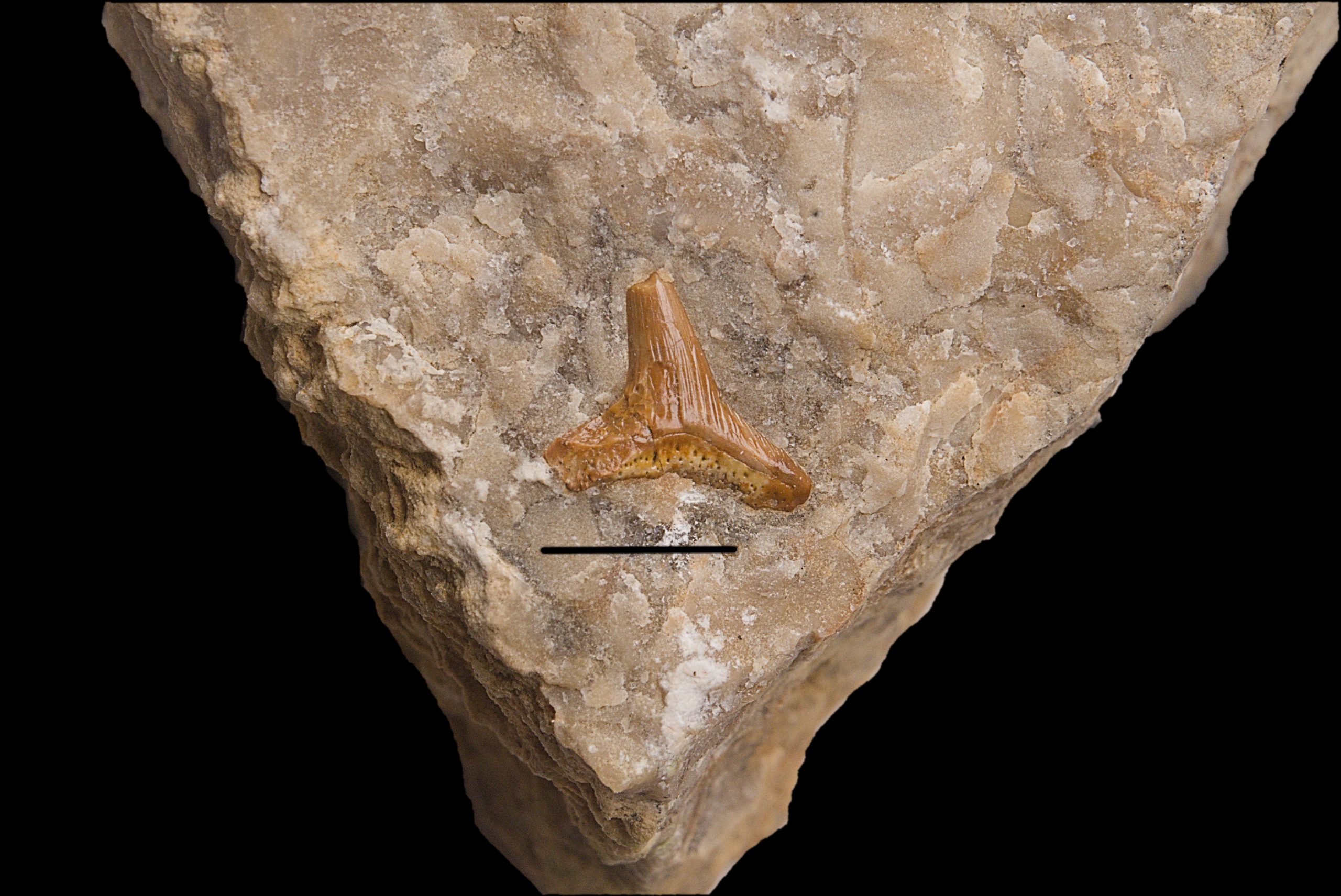
Polyacrodus sp., tooth, 9/UMK
—
Polyacrodus sp. Middle Triassic, Upper Muschelkalk (Ladinian), Upper Silesia, Poland A beautifully preserved specimen of a shark tooth crown, Polyacrodus sp., belonging to the order Hybodontiformes. My observations indicate that the teeth of these sharks are significantly less numerous in the Ladinian sediments of Upper Silesia than those of other hybodonts. This is the only…
-
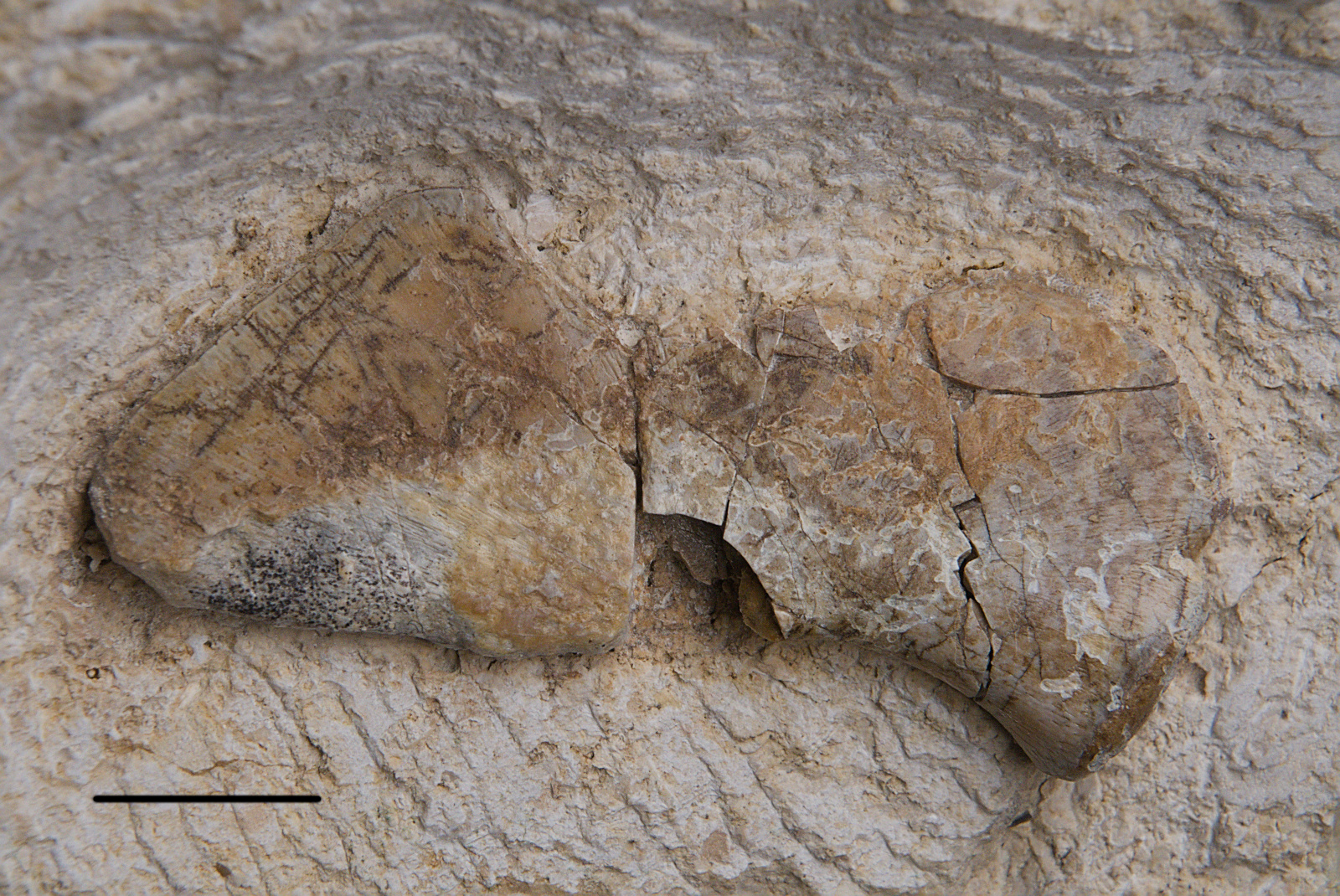
Nothosaurus sp., left coracoid, 18/LMK
—
Specimen of Nothosaurus sp., left coracoid in ventral view. Lower Muschelkalk, Gogolin Beds, Upper Silesia, Poland
-
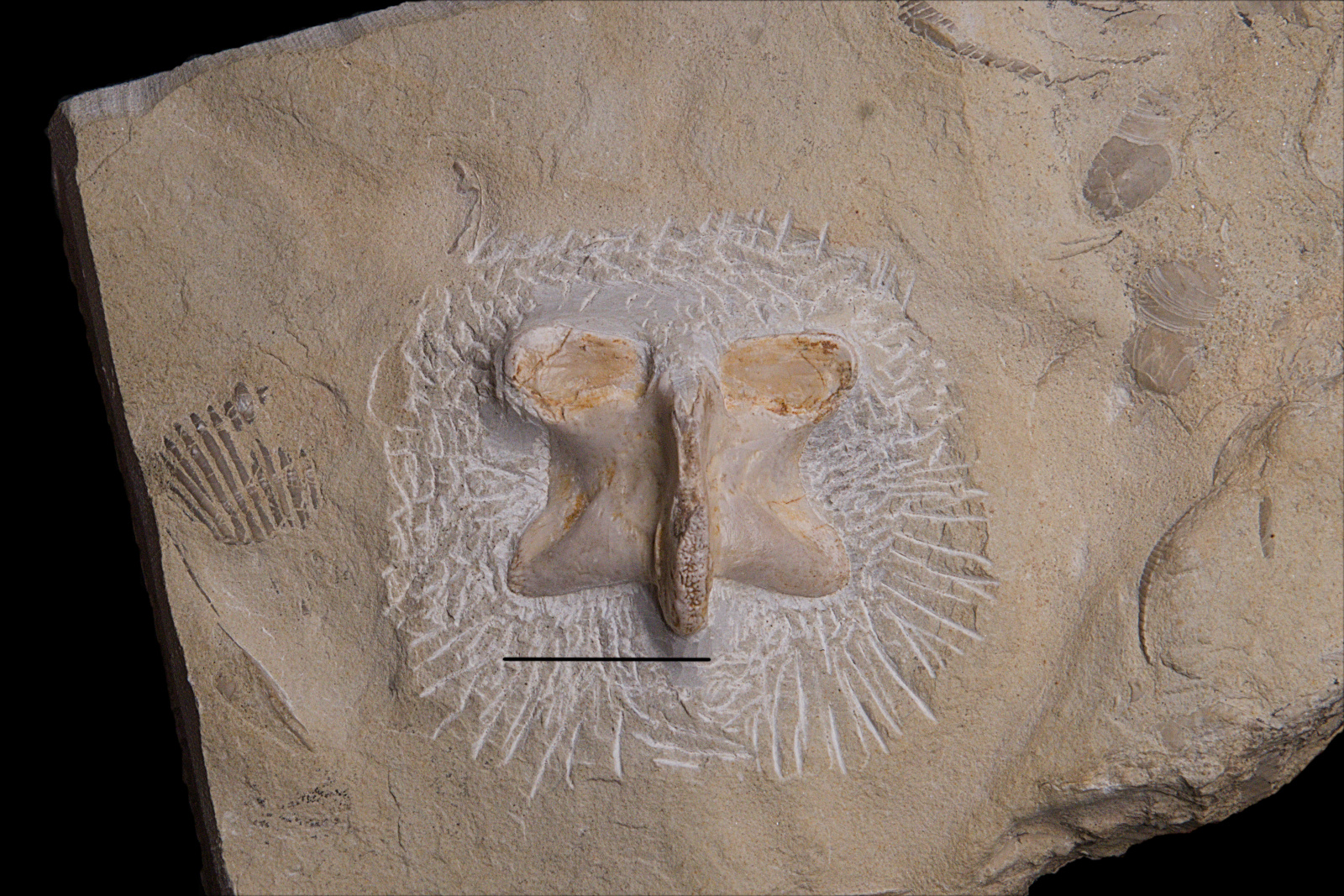
Nothosaurus sp., vertebral neural arch, 17/LMK
Nothosaurus sp. Neural arch. Gogolin Beds. Upper Silesia. Poland – The specimen is a beautifully preserved neural arch (in dorsal view). Considering its shape and size, it can be fairly safely assigned to the genus Nothosaurus.
-
Parhybodus plicatilis, anterior tooth, 8/UMK
—
A well-preserved specimen of the anterior slender tooth of the hybodont shark Parhybodus plicatilis.